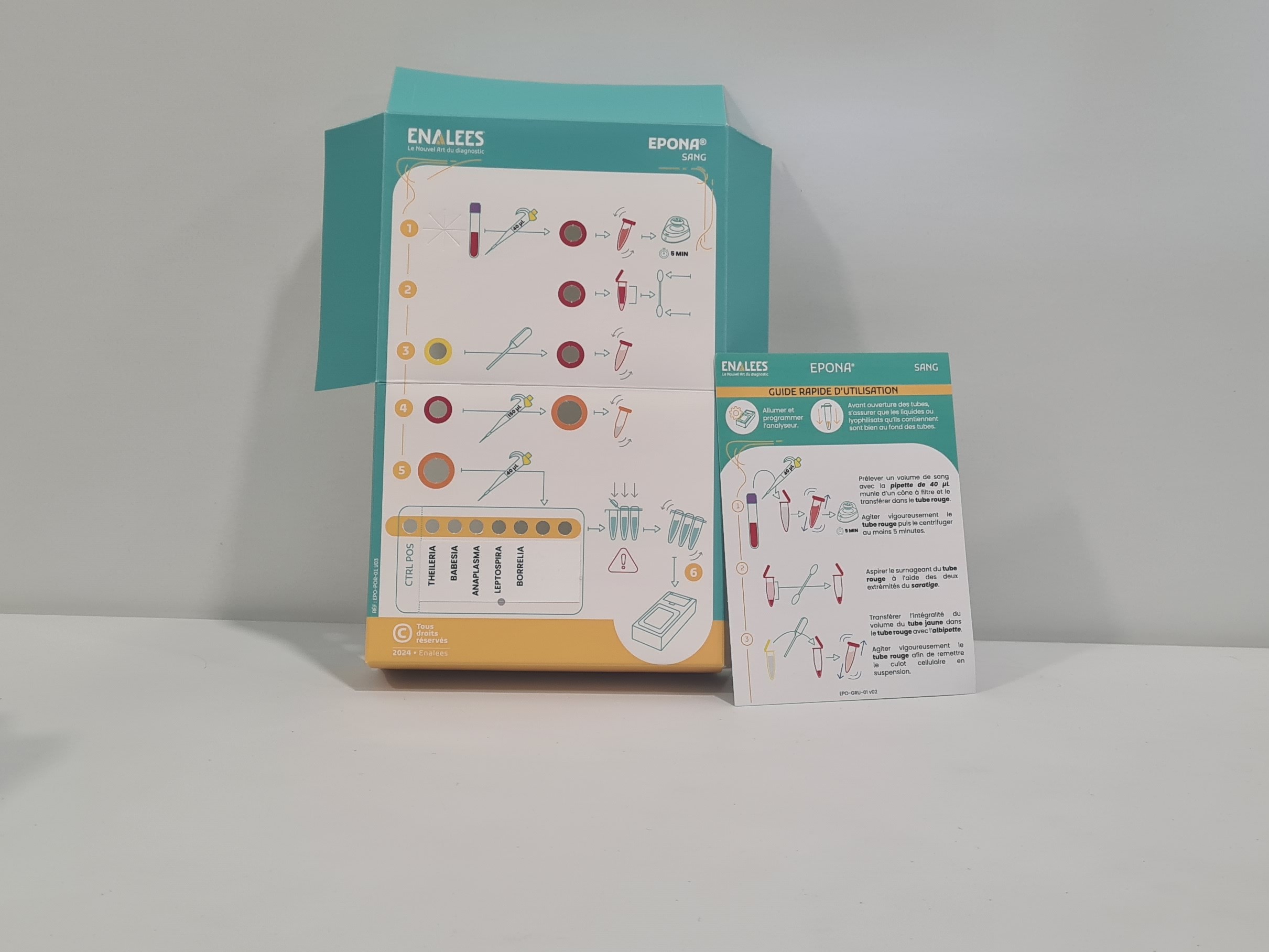


Epona Theileria, Babesia, Anaplasma, Leptospira, Borrelia
Detection and discrimination of Theileria equi, Babesia caballi, Anaplasma phagocytophilum, Leptospira (pathogens), and Borrelia spp. in blood
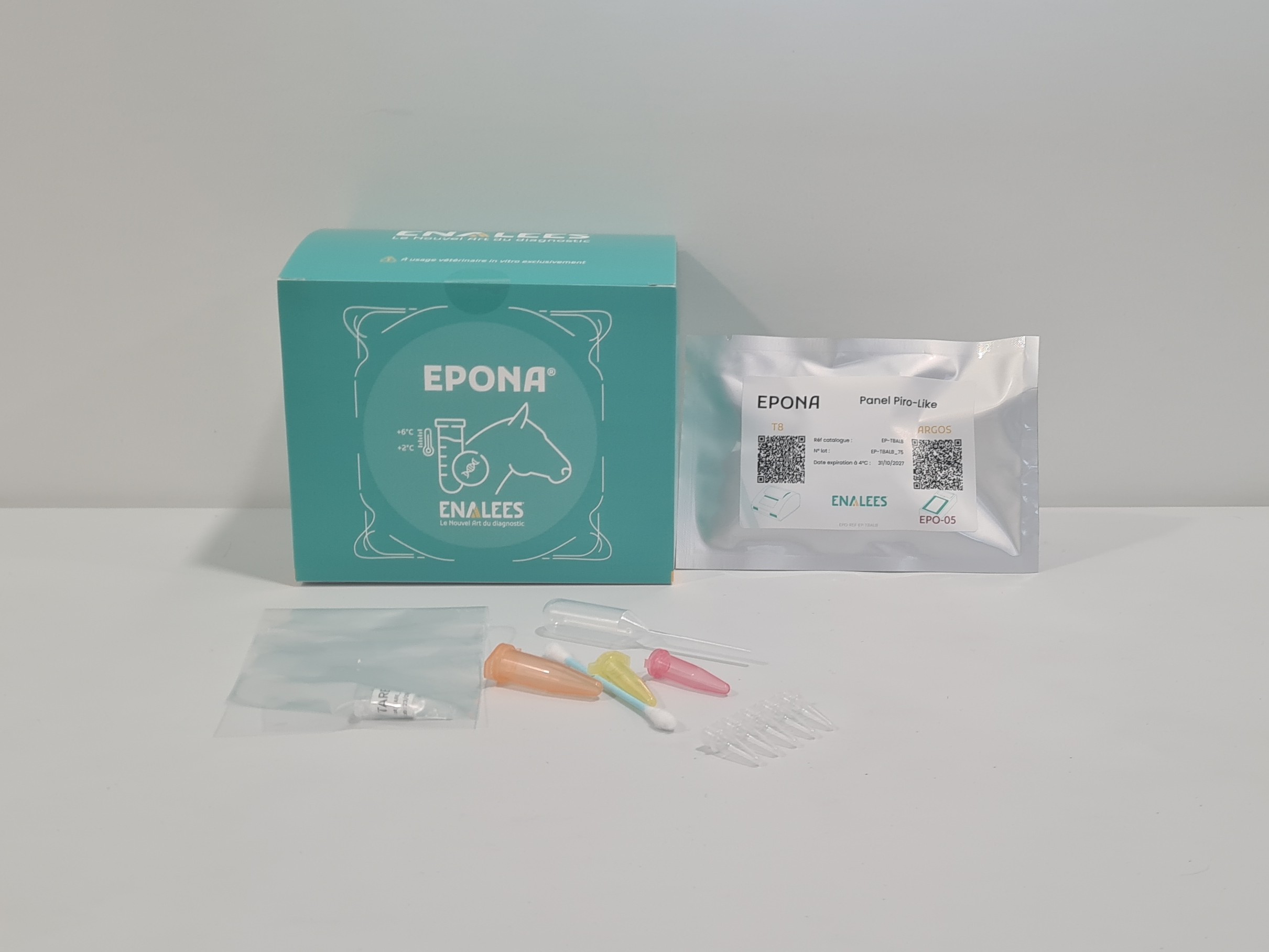
1 box contains 5 test pouches
Log in to see prices.
The “Piro-Like” syndrome in equids refers to a complex set of often numerous and non-specific clinical signs such as pyrexia, depression, anorexia, anaemia or jaundice.
Theileria equi is a tick-borne parasite belonging to the phylum Apicomplexa and differs from Babesia caballi by invading leukocytes and subsequently infecting red blood cells. Acute infection initially presents with high fever, lethargy, anorexia, peripheral oedema and petechiae of the mucous membranes. As infection progresses, the horse may show signs of haemolysis, including icteric or pale mucous membranes, tachycardia, tachypnoea, weakness and pigmenturia. Chronic infection with Theileria equi may result in non-specific signs of chronic inflammation or infection, including lethargy, partial anorexia, weight loss, poor coat quality and poor performance. Mild anaemia may be present. Asymptomatic carriers of Theileria equi have shown relapses of clinical disease associated with stress, intense exercise, immunosuppression and steroid administration.
Babesia caballi is a tick-borne parasite belonging to the phylum Apicomplexa and differs from Theileria equi by the direct infection of red blood cells. Acute infection initially presents with high fever, lethargy, anorexia, peripheral oedema and petechiae of the mucous membranes. As infection progresses, the horse may show signs of haemolysis, including icteric or pale mucous membranes, tachycardia, tachypnoea, weakness and pigmenturia. Other systemic complications may occur when additional body systems are affected, including the gastrointestinal tract (colic, diarrhoea), respiratory system (pulmonary oedema, pneumonia), renal system (pigmentary nephropathy) and central nervous system (ataxia, myalgia, seizures). Chronic infection with Babesia caballi may lead to non-specific signs of chronic inflammation or infection, including lethargy, partial anorexia, weight loss, poor coat quality and poor performance. Mild anaemia may be present.
Anaplasma phagocytophilum belongs to the Rickettsiaceae family, the genus Ehrlichia and the species phagocytophila. This intracellular bacterium infects white blood cells, more specifically neutrophils. Clinical signs of equine anaplasmosis are generally pyrexia, depression, anorexia, ataxia, distal limb oedema, as well as tachycardia and polypnoea.
Leptospirosis is a bacterial disease caused by bacteria called leptospires. This disease constitutes a major health concern due to its zoonotic status. It is in fact a disease transmissible to humans and found worldwide. Leptospires can enter through wounds, mucous membranes (ocular, oral, nasal, etc.) and even through macerated intact skin. Clinical signs of leptospirosis in horses may take different forms: - Subclinical form: common; this form shows no clinical signs, or only a slight loss of condition. - Acute form: sudden fever (39.5-41°C), accompanied by depression and refusal to eat. Ocular and oral mucous membranes are often orange-coloured, and episodes of diarrhoea or constipation may be observed. - Chronic form: reduced condition associated with anaemia, repeated fever episodes, weight loss, abortions during the third trimester of gestation. - Uveitis: chronic inflammation of part of the eye (aqueous humour), often recurrent. Borreliosis is a disease caused by bacteria of the genus Borrelia. In Europe, the two most common causative agents of Lyme borreliosis are Borrelia afzelii and Borrelia garinii. The disease is transmitted by ticks and usually presents with the following clinical signs: fever, lethargy, anorexia, chronic weight loss, stiffness, arthritis, laminitis, uveitis or abortion.
The Epona Piro-Like Panel tests are next-generation molecular tests enabling simple, reliable and rapid detection and differentiation of the pathogen, making it possible to isolate and treat the affected animal even before the first clinical signs appear.
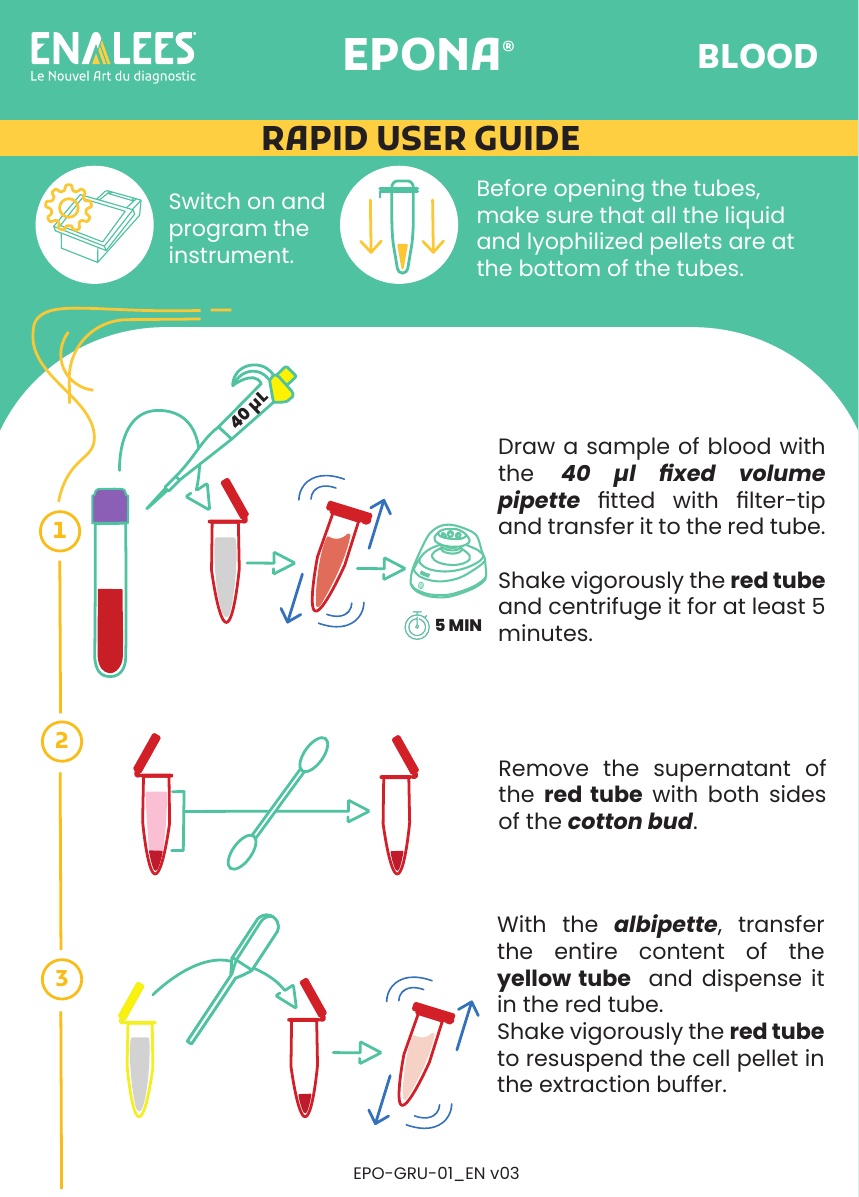
Unlike conventional PCR reactions, Epona tests are carried out in only a few steps on a portable and easy-to-use reading system. Results can therefore be obtained in under 40 minutes directly in your clinic.
Tests are intended for in vitro diagnostic use by veterinarians in accordance with the user guides, manuals and technical specifications.


Detection and discrimination of EHV-1, EHV-2, EHV-4, EHV-5, equine influenza virus, Streptococcus equi subspecies equi and Streptococcus equi subspecies…
Detection and discrimination of EHV-1 and EHV-4 in nasopharyngeal swab1 box contains 5 test pouches
Detection and discrimination of EHV-1, EHV-4, equine influenza virus, and Streptococcus equi subspecies equi in nasopharyngeal swab1 box contains 5 test pouches




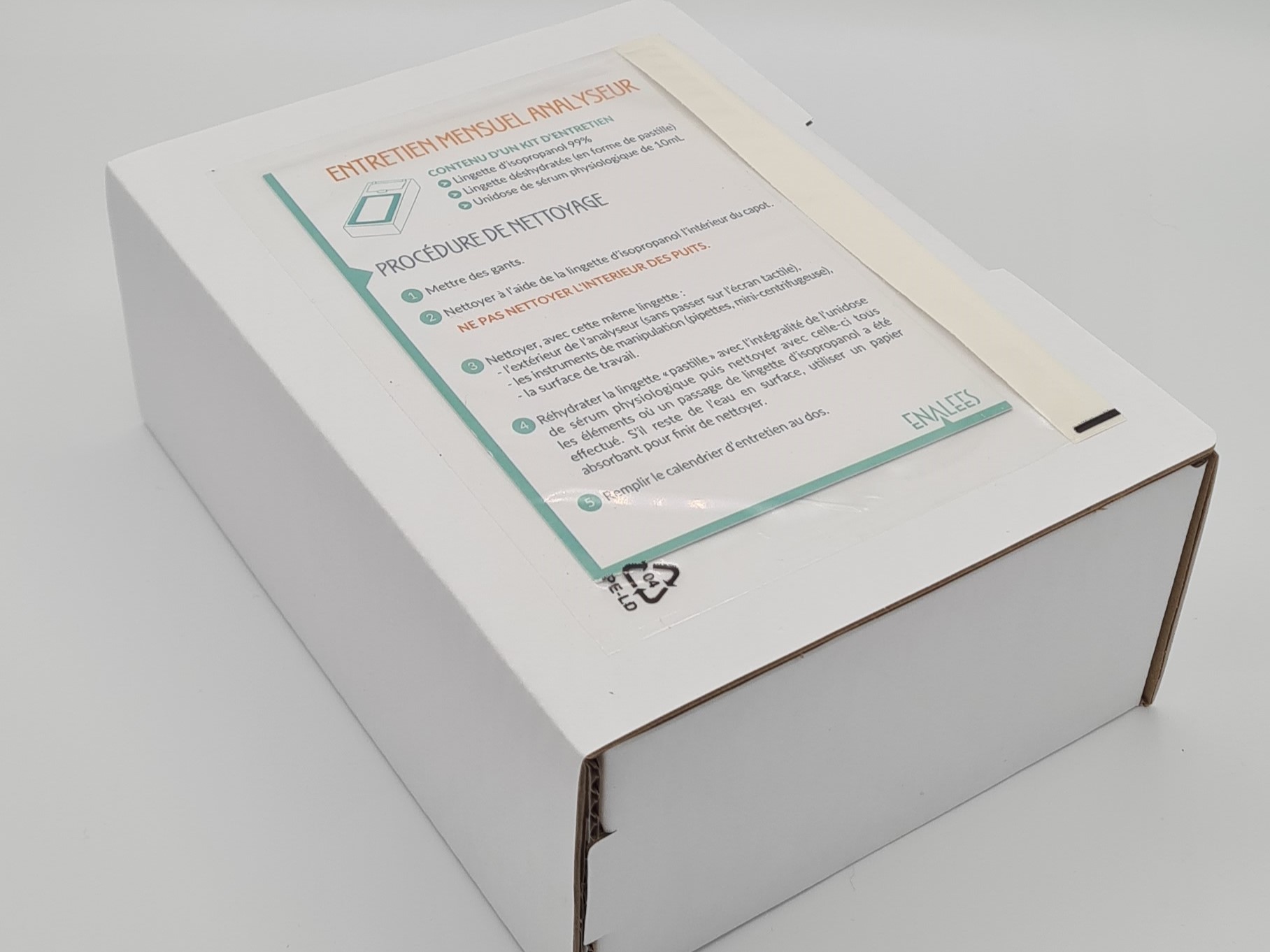
Kit 12 isopropanol wipes, 12 saline solution doses and 12 compresses for Argos maintenance for 1 year
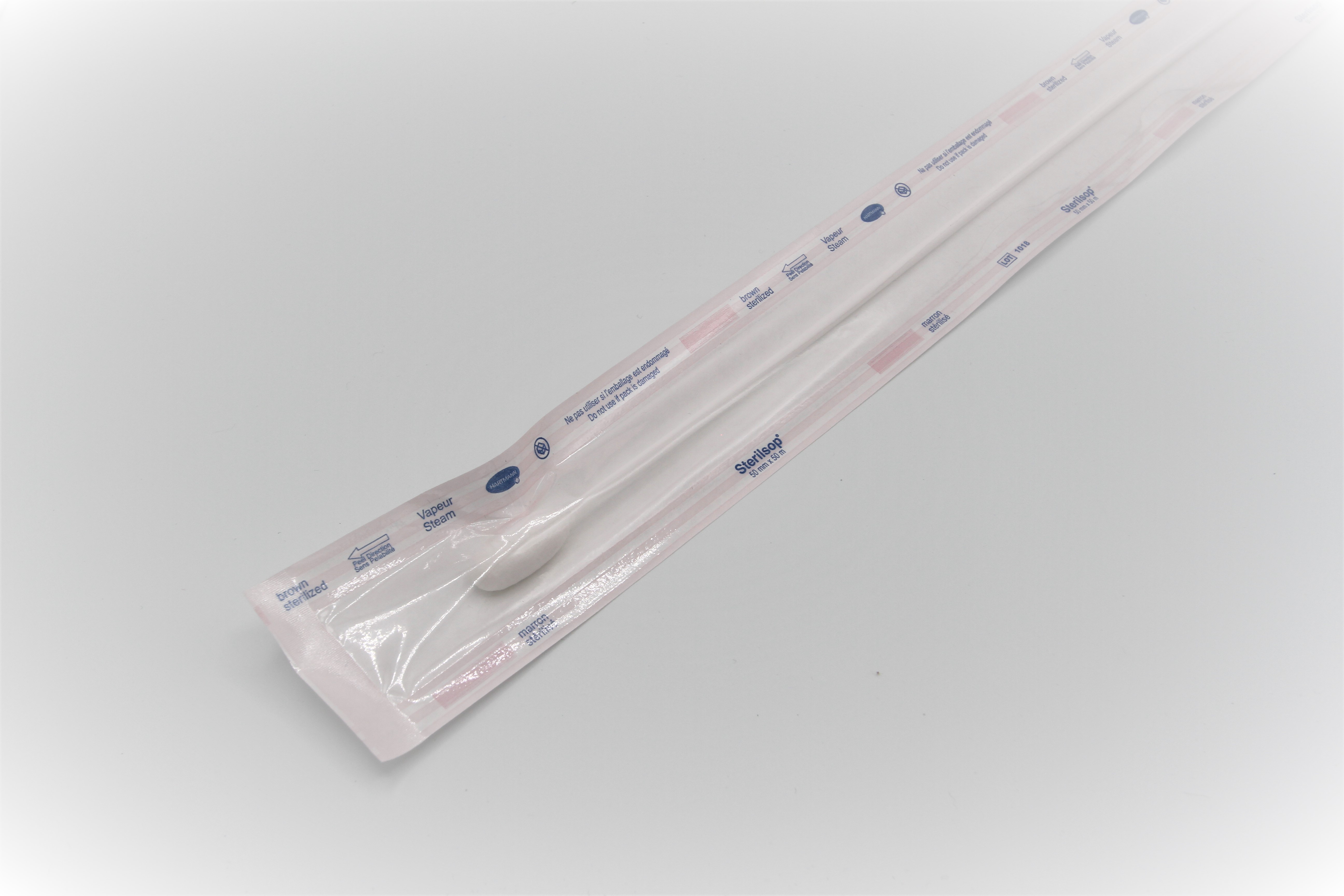
10 individually packaged sterile swabs for equine nasopharyngeal sampling
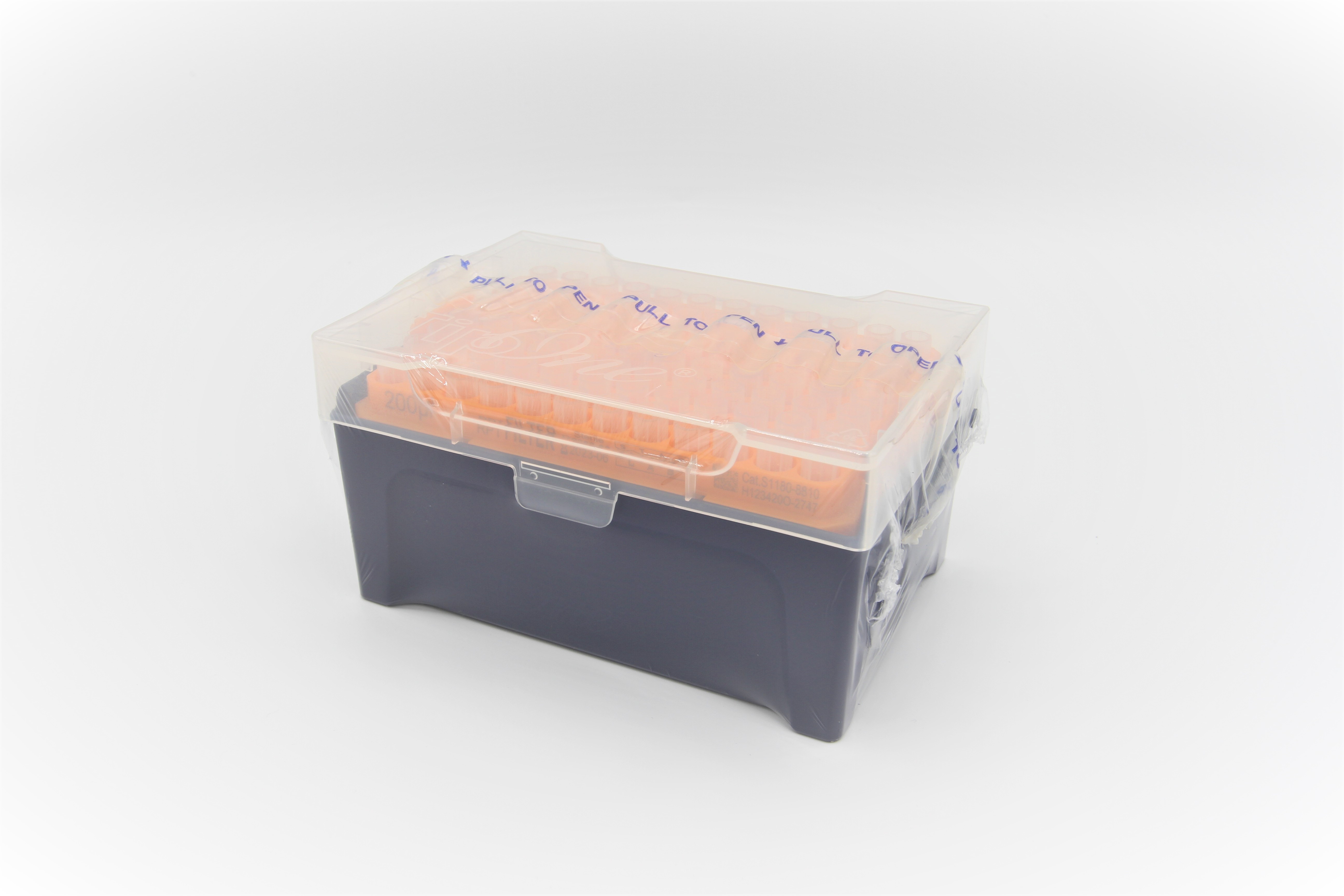
Box of 96 200 µL filter tips required to perform Epona tests

Highly practical, it has simplified our daily workflow and made sharing test results much smoother.Julie – La Clinique V...

The easy-to-use kits are quick and easy to handle, whether you're an intern or a referring veterinary professional.Furth...
Learn More
"We first discovered the rapid in-house LAMP PCR solution from Enalees through an introduction by our area representativ...
Learn More
Products made in France, ensuring optimal quality.

Fast delivery within 24 to 72 hours depending on availability

Dedicated technical support for professionals

100% secure online payment.