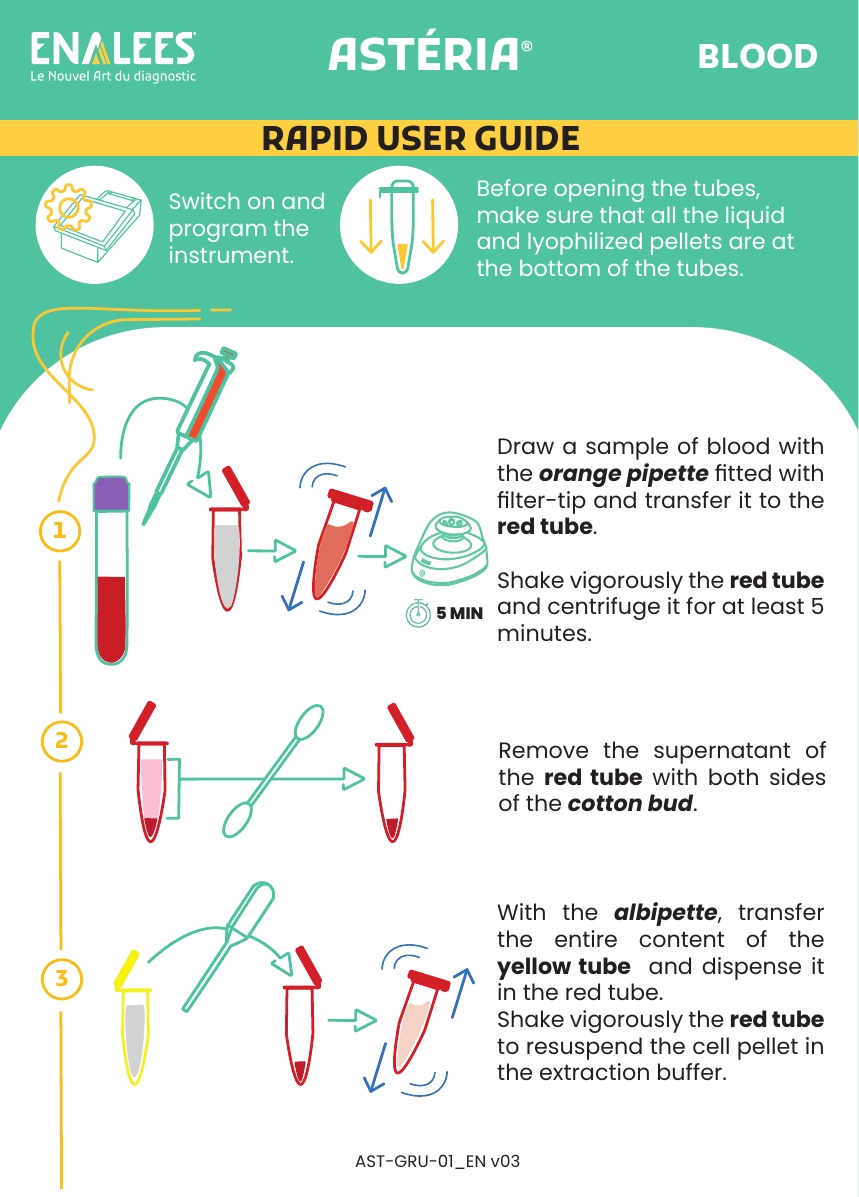

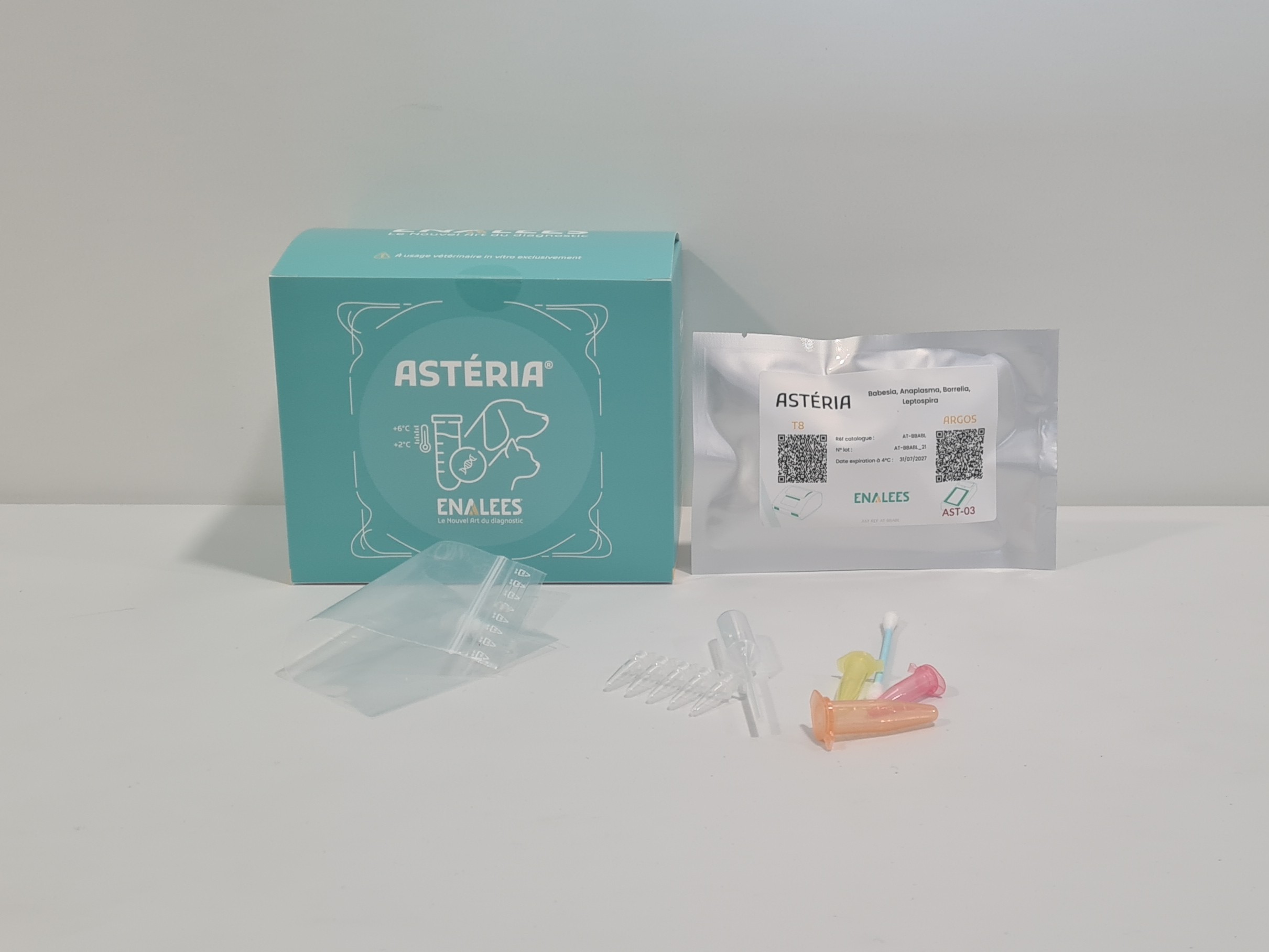
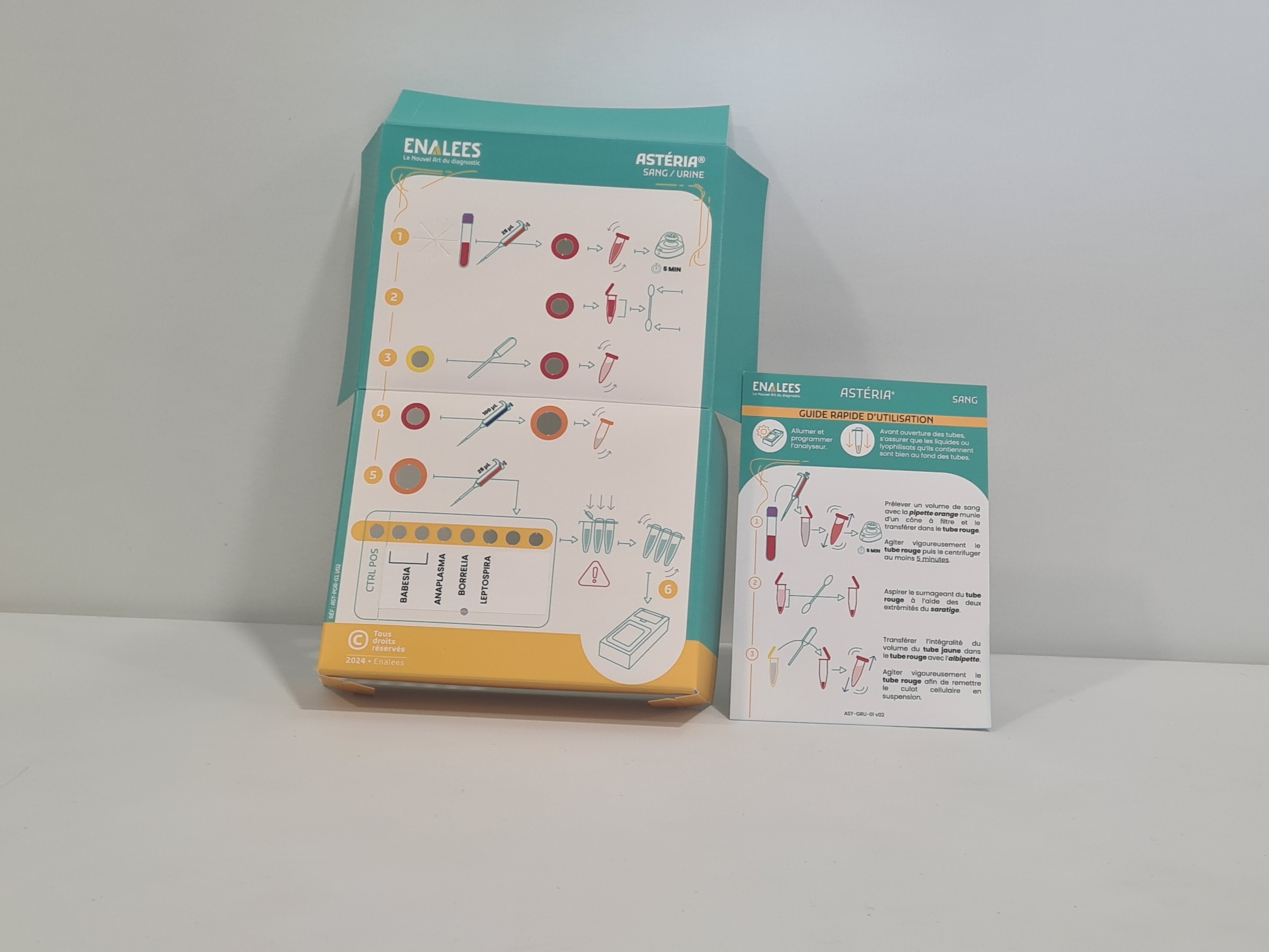


Astéria Babesia, Anaplasma, Borrelia, Leptospira
Detection and discrimination of Babesia canis canis, Babesia canis vogeli, Babesia gibsoni, Borrelia spp., Anaplasma platys, Anaplasma phagocytophilum, Ehrlichia canis, and Leptospira (pathogens) in blood
1 box contains 5 test pouches
Log in to see prices.
Clinical presentation: the disease can occur in several forms.
Clinical focus:Ehrlichia canis.
The most common complication of canine piroplasmosis is the onset of rapidly irreversible renal failure. This is why it is important to screen for and treat animals affected by this disease.
Tick-borne diseases are vector-borne diseases in which the clinical signs observed may mainly include high fever, depression, anorexia and sometimes vomiting. These infectious diseases are caused either by parasites such as Babesia canis canis, Babesia canis vogeli, Babesia gibsoni; or by bacteria such as Borrelia spp., Ehrlichia canis, Anaplasma platys, Anaplasma phagocytophilum.
Canine babesiosis is a tick-borne disease caused by the parasites Babesia canis, Babesia gibsoni and Babesia vogeli. The clinical signs in a dog infected with a Babesia species are highly variable, ranging from physiological discomfort and dysfunction of multiple organs to death. Signs of the disease depend on the health status of the infected dog and also on the Babesia species responsible.
Canine anaplasmosis or ehrlichiosis is caused by Anaplasma phagocytophilum, Anaplasma platys and Ehrlichia canis, intracellular bacteria transmitted by ticks. The clinical signs generally observed are as follows:
Anaplasma phagocytophilum: fever, anorexia, lethargy, vomiting and diarrhoea. Some dogs are asymptomatic.
Anaplasma platys: thrombocytopenia and fever, appearing and disappearing cyclically every 1 to 2 weeks. Borreliosis is a disease caused by bacteria of the genus Borrelia. In Europe, the two most common causative agents of Lyme borreliosis are Borrelia afzelii and Borrelia garinii. The disease is transmitted by ticks and generally presents the following clinical signs: fever, lethargy, anorexia, chronic weight loss, stiffness, arthritis, uveitis or abortion.
Leptospirosis is a bacterial disease caused by bacteria called leptospires. This condition is a major health concern because of its zoonotic status. It is indeed a disease transmissible to humans and distributed worldwide. Leptospires can penetrate through wounds, mucous membranes (ocular, oral, nasal, etc.) and even through macerated intact skin. The clinical signs of leptospirosis in dogs can take different forms:
Astéria Babesia Anaplasma Borrelia Leptospira tests are next-generation molecular tests that enable simple, reliable and rapid detection and differentiation of the pathogen, making it possible to isolate and treat the affected animal even before the first clinical signs appear.
Unlike conventional PCR reactions, Astéria tests are carried out in only a few steps on a portable, easy-to-use reading system. Results can therefore be obtained in under 40 minutes, at the clinic or in the field.
Tests are intended for in vitro diagnostic use by veterinarians in accordance with the user guides, manuals and technical specifications.



Detection of feline coronavirus in cats1 box contains 5 test pouches


Detection and discrimination of Mycoplasma haemofelis and Candidatus Mycoplasma haemominutum in cats, as well as Mycoplasma haemocanis and Candidatus…
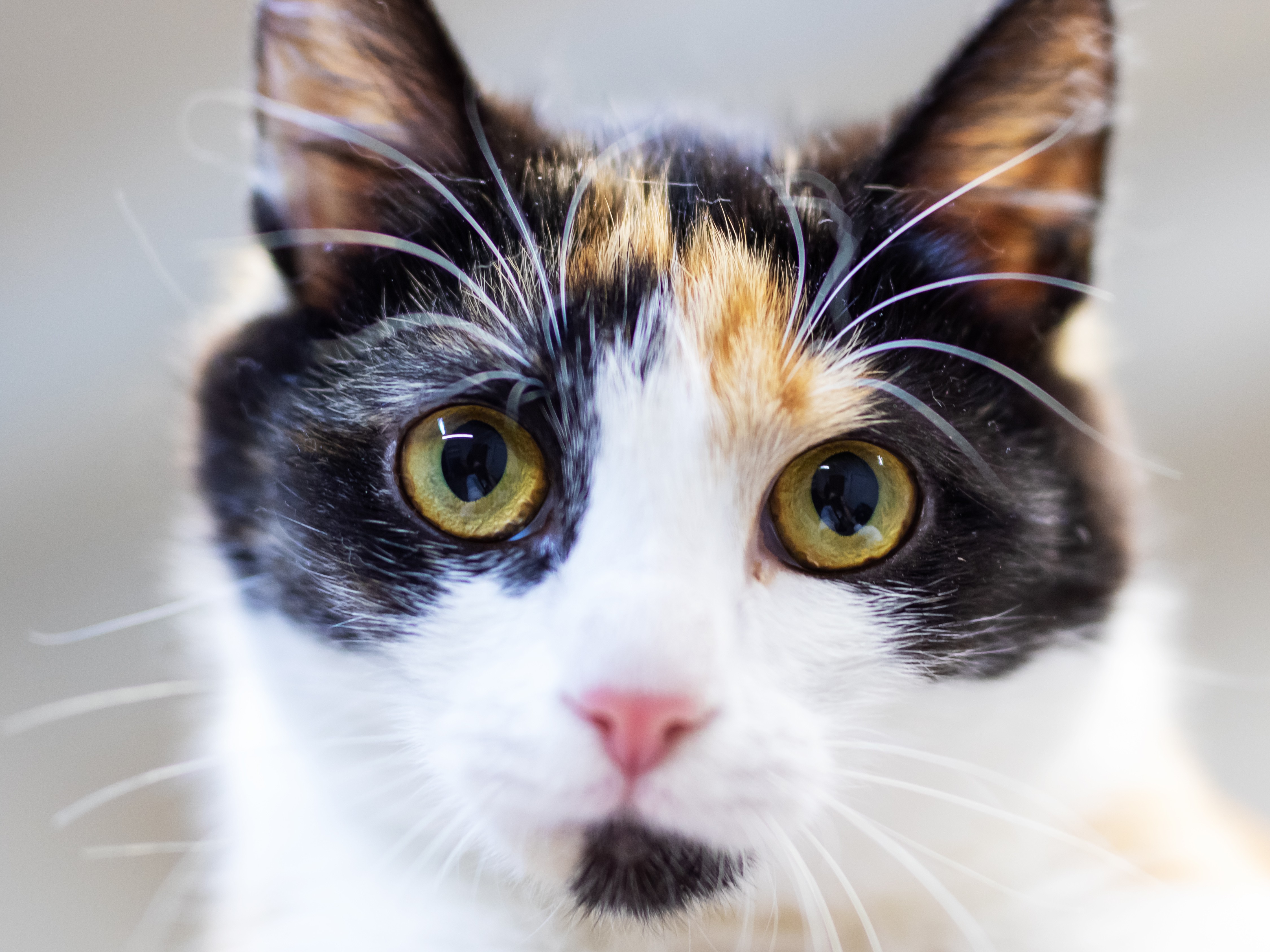
Detection and discrimination of feline herpesvirus, feline calicivirus, Chlamydia felis, and Mycoplasma felis in swab1 box contains 5 test pouches and 5 swabs



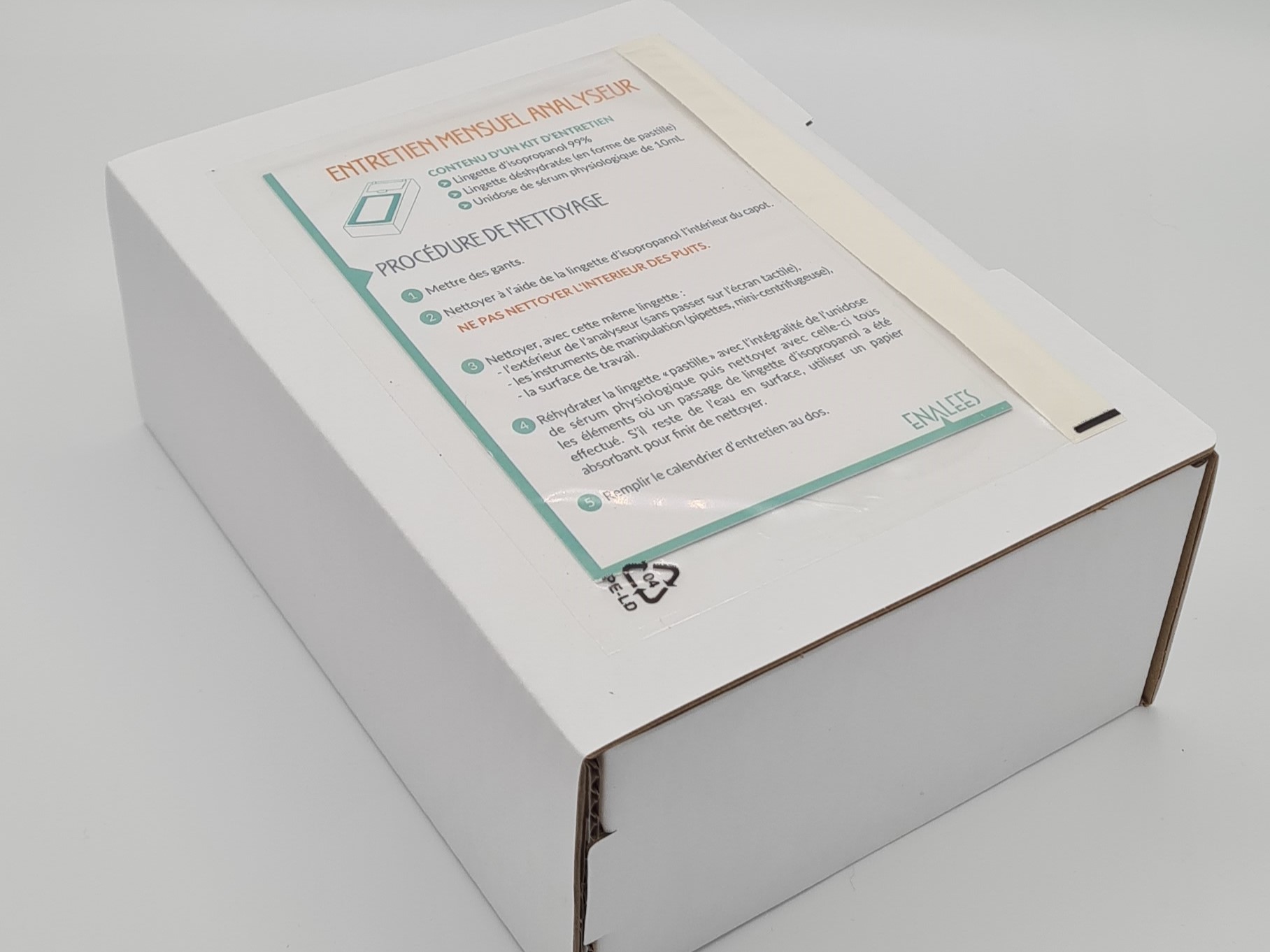
Kit 12 isopropanol wipes, 12 saline solution doses and 12 compresses for Argos maintenance for 1 year
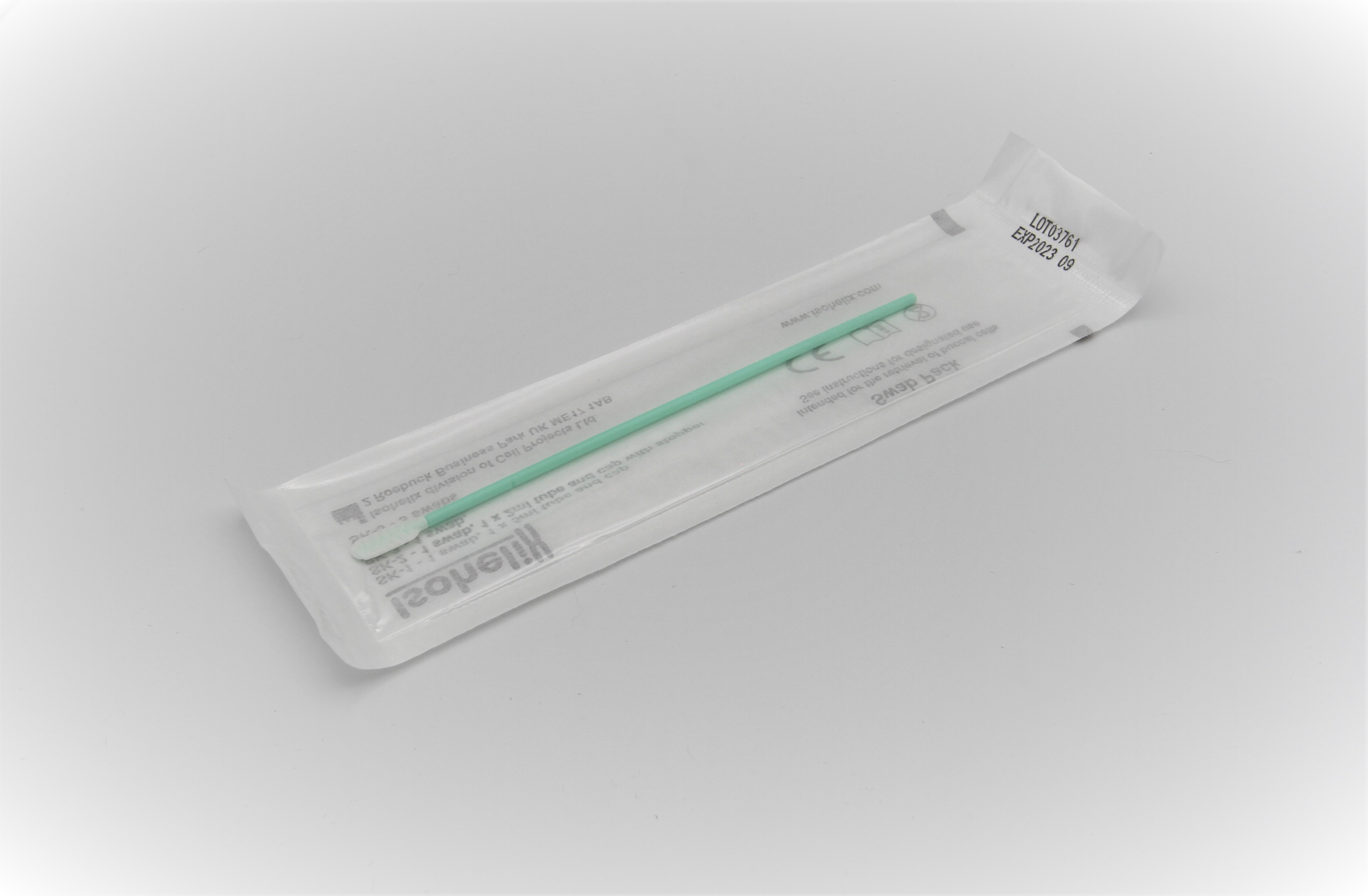
10 individually wrapped sterile swabs for ocular or buccal sample collection
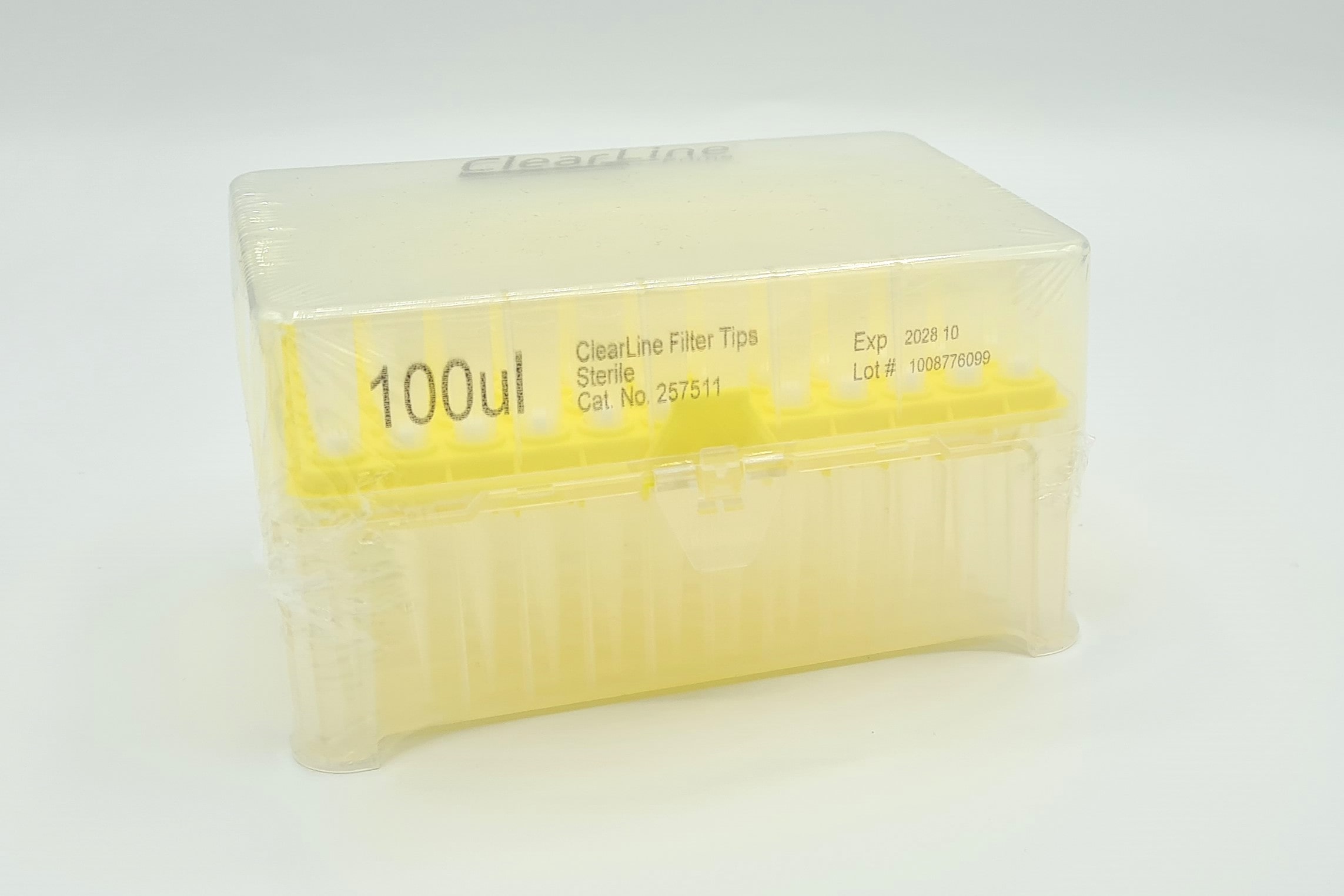
Box: 96 filter tips required to perform Astéria & Rhéa tests

Highly practical, it has simplified our daily workflow and made sharing test results much smoother.Julie – La Clinique V...

The easy-to-use kits are quick and easy to handle, whether you're an intern or a referring veterinary professional.Furth...
Learn More
"We first discovered the rapid in-house LAMP PCR solution from Enalees through an introduction by our area representativ...
Learn More
Products made in France, ensuring optimal quality.

Fast delivery within 24 to 72 hours depending on availability

Dedicated technical support for professionals

100% secure online payment.