

Astéria Herpes, Calicivirus, Chlamydia felis
Detection and discrimination of feline herpesvirus, feline calicivirus, and Chlamydia felis in swab
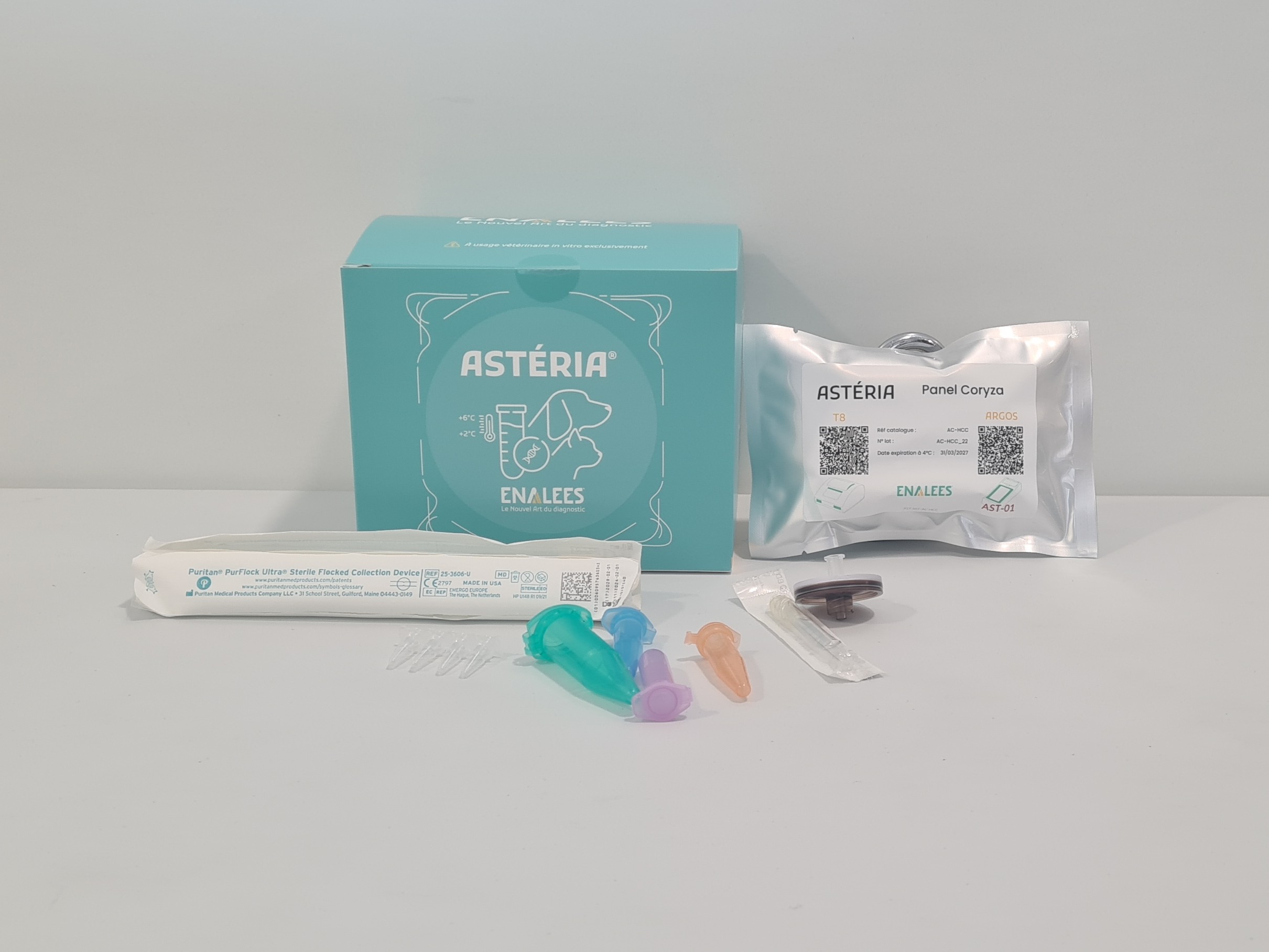
1 box contains 5 test pouches and 5 swabs
Log in to see prices.
The feline herpes virus (FHV) belongs to the order Herpesvirales, family Herpesviridae, subfamily Alphaherpesvirinae, genus Varicellovirus. The virus enters via the nasal, oral or conjunctival route. It causes an infection that lyses the nasal epithelium and then spreads to the pharynx, trachea, bronchi and bronchioles. During infection, the virus can travel along the nerves and reach neurons, particularly the trigeminal ganglion, which is the main site of latency. The disease can take several forms:
As this condition is transmissible between cats, isolating and identifying affected animals is essential to limit the spread of the disease.
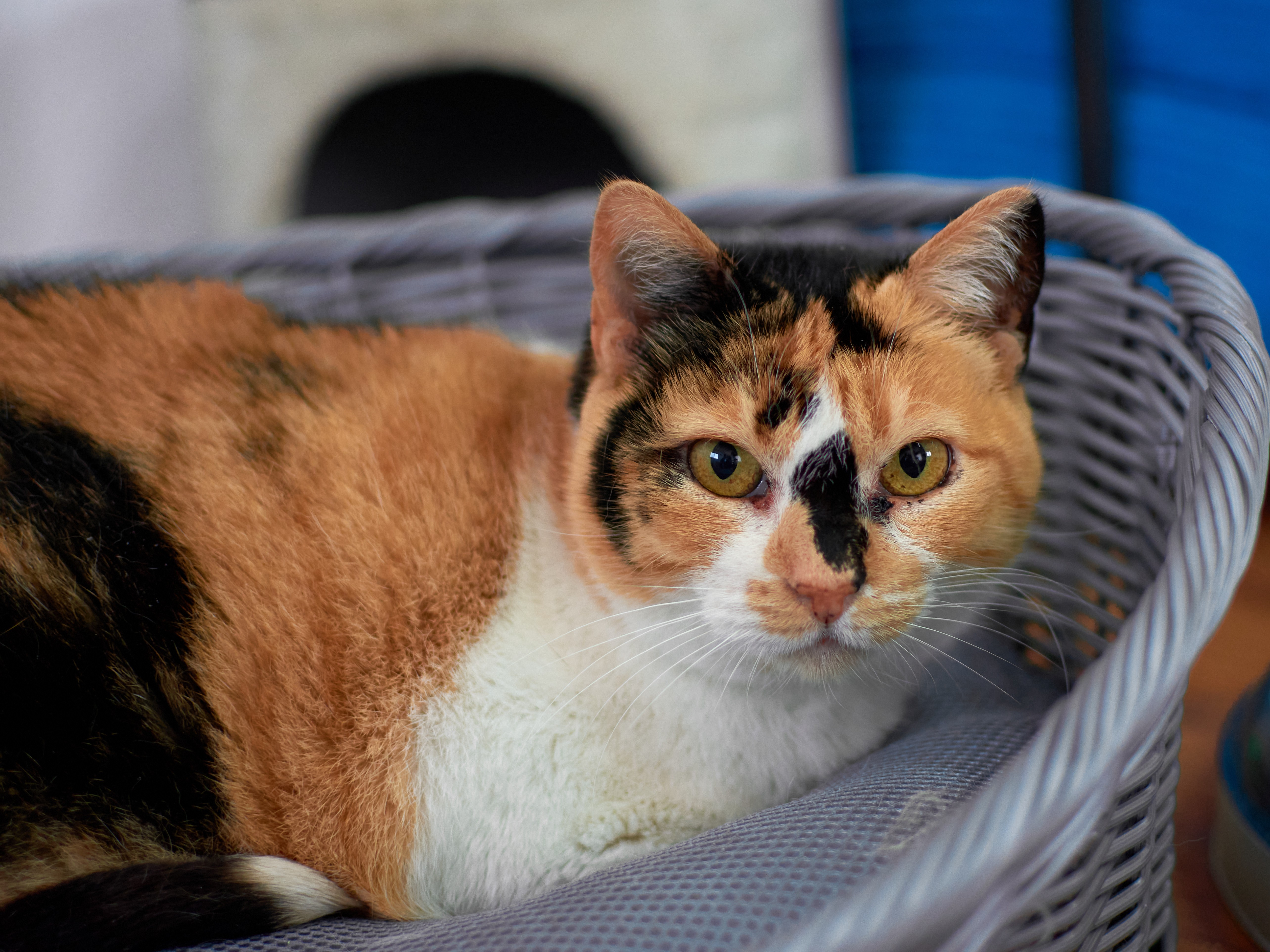
Feline coryza syndrome is common in cats, especially those living in groups. Most often, this condition is caused by a viral infection due to a herpesvirus, a calicivirus or a bacterium such as Chlamydia felis. The most common clinical signs are hyperthermia, sneezing, nasal and ocular discharge and sometimes ulcers inside the mouth.
Feline calicivirus (FCV) belongs to the genus Vesivirus. Many infected cats show no clinical signs. However, these cats may remain persistently infected with FCV (healthy carriers). The most characteristic clinical sign is an oral ulcer. Ocular and nasal problems (sneezing, rhinitis, conjunctivitis) may also occur.
Clinical signs resulting from uncomplicated calicivirosis may also result from infection with another infectious agent, particularly feline herpesvirus but also Chlamydia felis or Bordetella bronchiseptica. Feline calicivirus may also cause a haemorrhagic form; virulent strains lead to a high mortality rate, with clinical signs such as fevers that do not respond to antibiotics, oral cavity ulcers, oedema of the head, and skin ulceration.
Chlamydia felis (formerly Chlamydophila felis and Chlamydia psittaci var. felis) is an intracellular bacterium belonging to the order Chlamydiales, family Chlamydiaceae, genus Chlamydia. This bacterium targets feline conjunctival epithelial cells, causes purulent conjunctivitis and persists for several months in tissue. The most common clinical signs are unilateral ocular disease, which usually progresses to become bilateral, intense conjunctivitis with hyperaemia of the nictitating membrane, blepharospasm and ocular discomfort. Transient fever, inappetence and weight loss may occur shortly after infection. Infection is more common in groups of cats, especially in breeding catteries, so prevalence may be higher in pedigree cats.
Astéria Coryza tests are next-generation molecular tests that enable simple, reliable and rapid detection and differentiation of the pathogen, making it possible to isolate and treat the affected animal even before the first clinical signs appear.
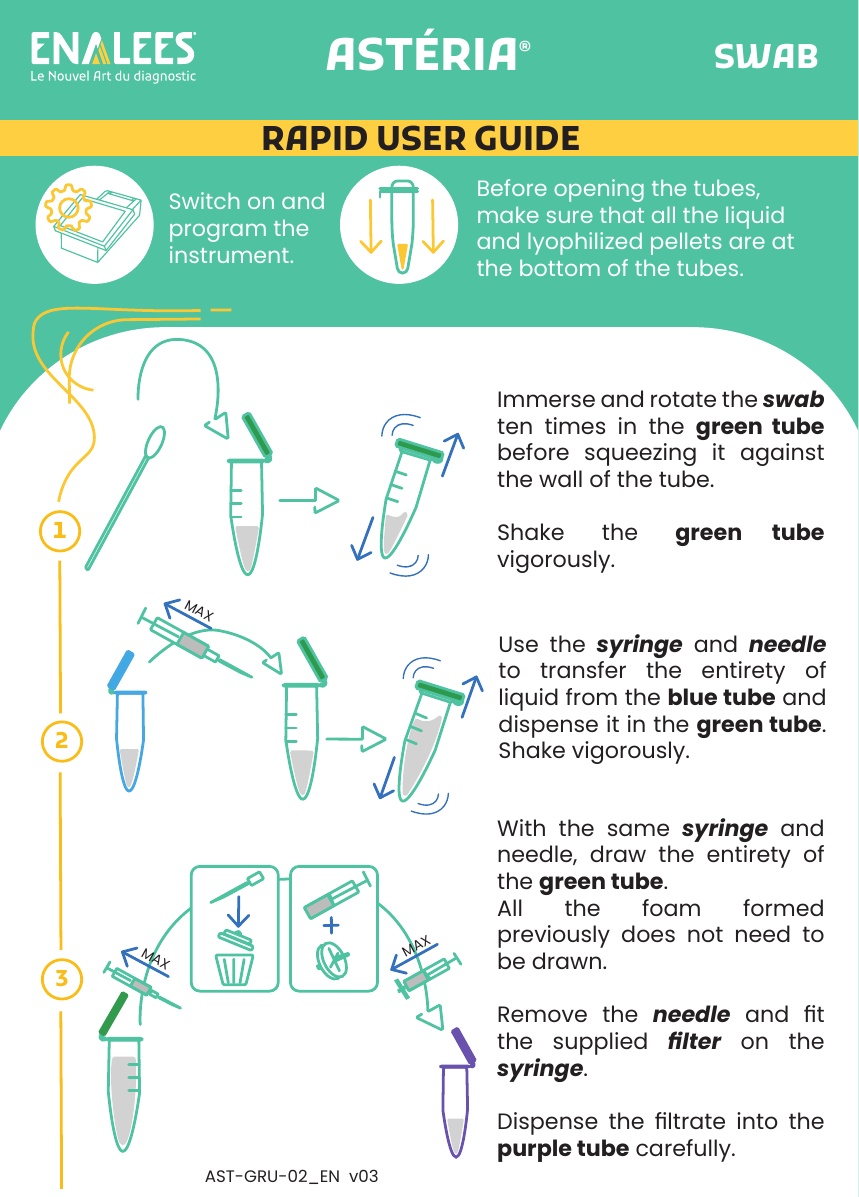
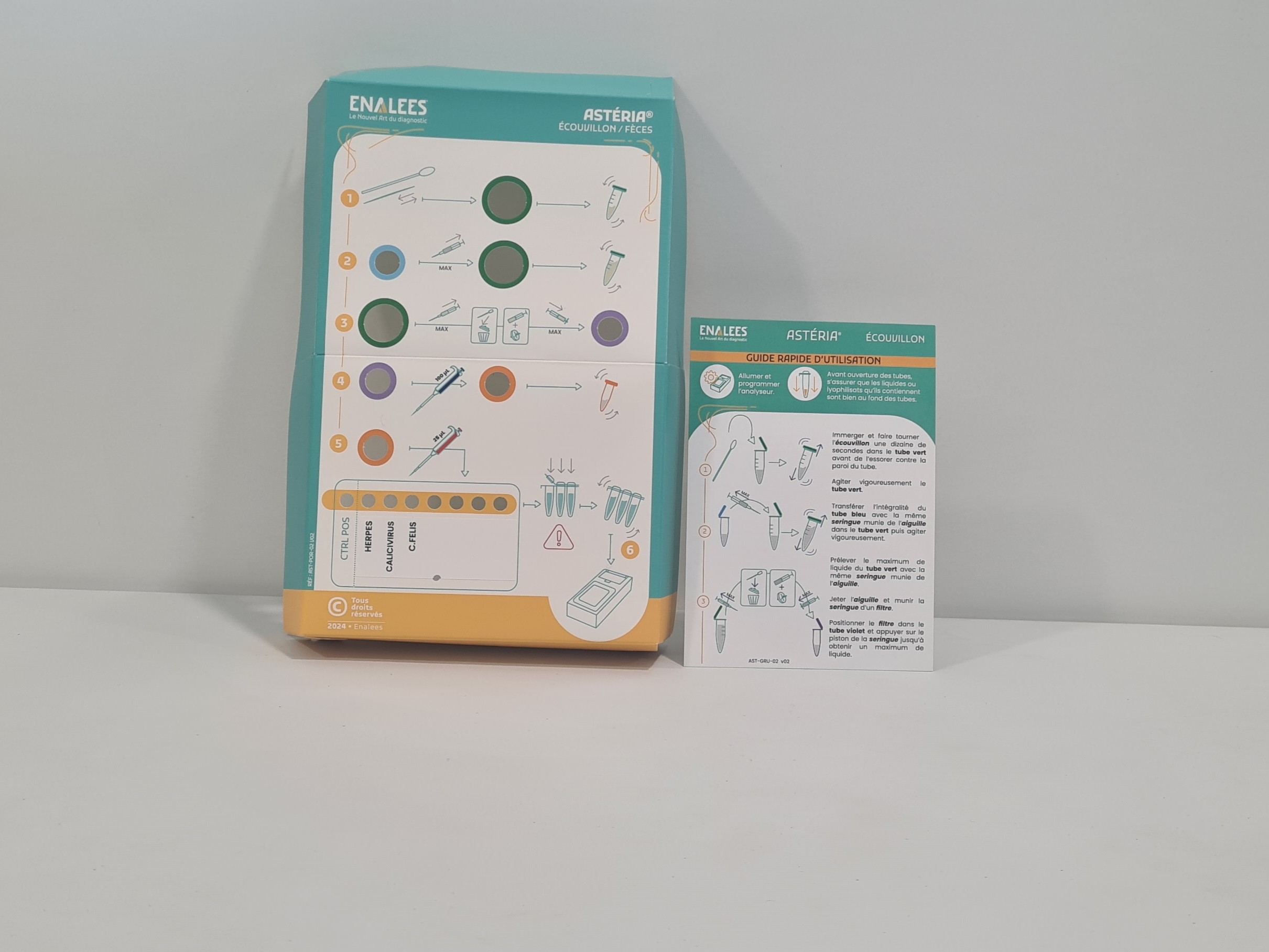
Unlike conventional PCR reactions, Astéria tests are carried out in only a few steps on a portable, easy-to-use reading system. Results can therefore be obtained in under 40 minutes, at the clinic or in the field.
Tests are intended for in vitro diagnostic use by veterinarians in accordance with the user guides, manuals and technical specifications.


Detection of feline coronavirus in cats1 box contains 5 test pouches

Detection and discrimination of Mycoplasma haemofelis and Candidatus Mycoplasma haemominutum in cats, as well as Mycoplasma haemocanis and Candidatus…
Detection and discrimination of feline herpesvirus, feline calicivirus, Chlamydia felis, and Mycoplasma felis in swab1 box contains 5 test pouches and 5 swabs



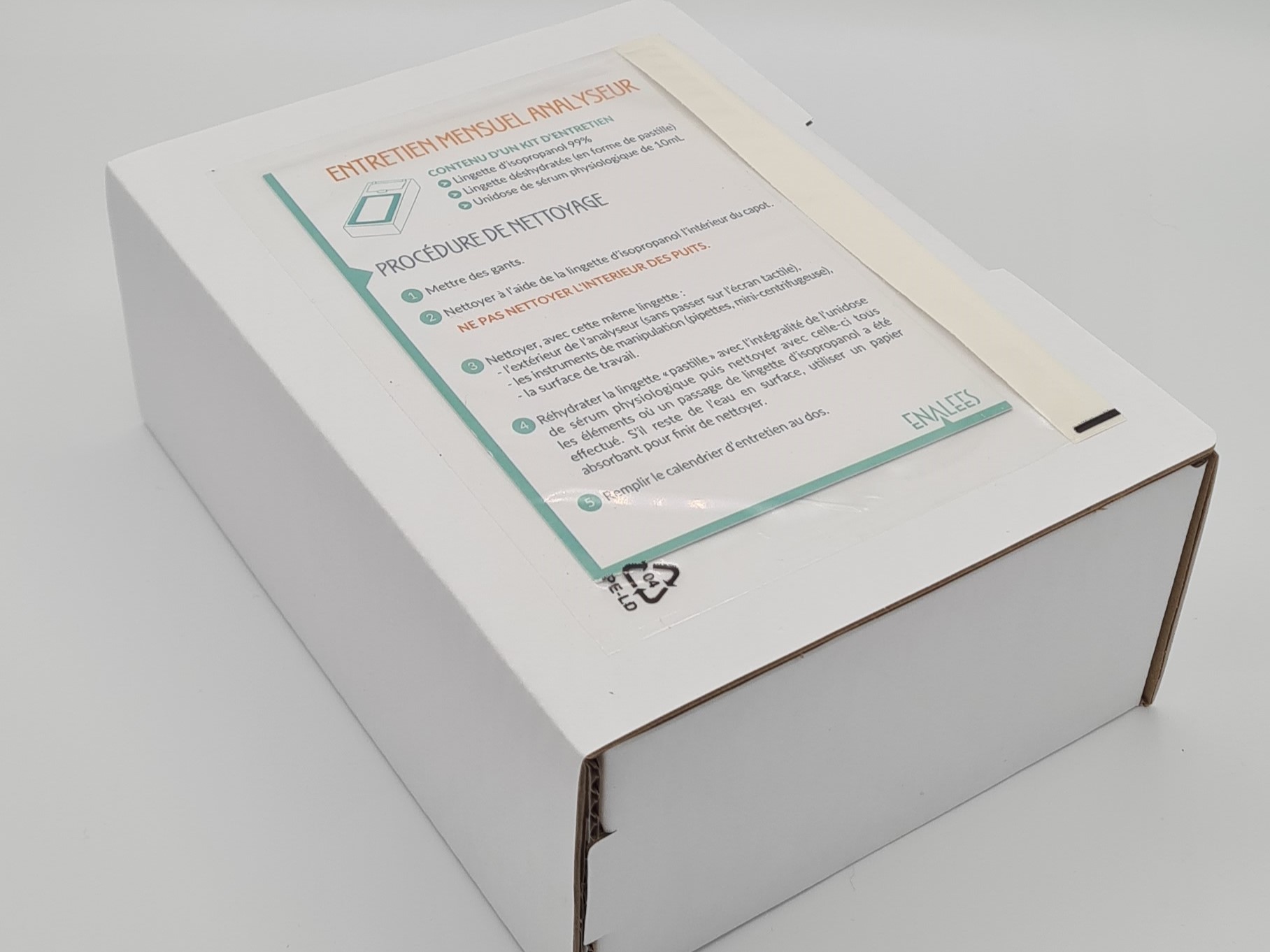
Kit 12 isopropanol wipes, 12 saline solution doses and 12 compresses for Argos maintenance for 1 year
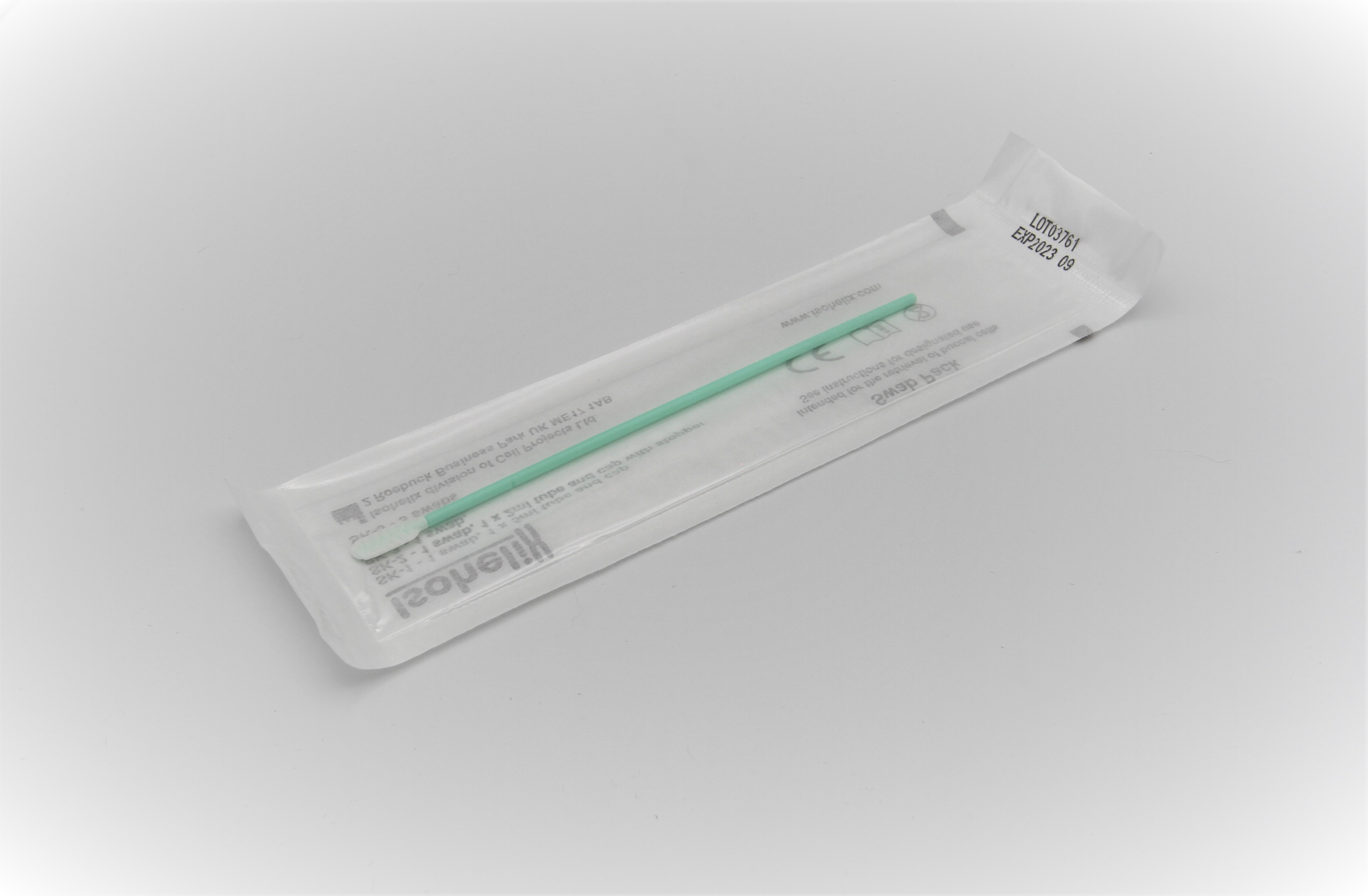
10 individually wrapped sterile swabs for ocular or buccal sample collection
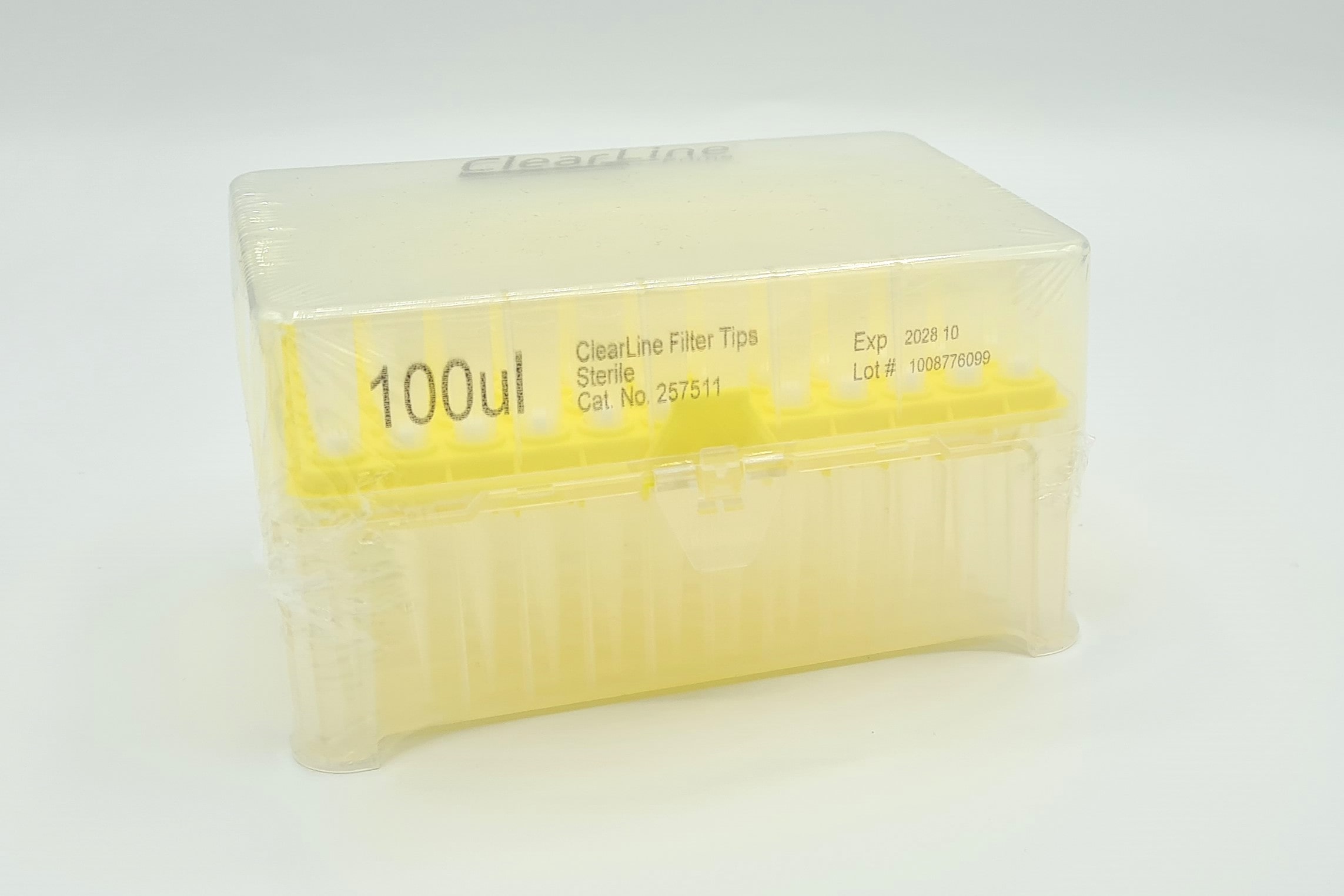
Box: 96 filter tips required to perform Astéria & Rhéa tests

Highly practical, it has simplified our daily workflow and made sharing test results much smoother.Julie – La Clinique V...

The easy-to-use kits are quick and easy to handle, whether you're an intern or a referring veterinary professional.Furth...
Learn More
"We first discovered the rapid in-house LAMP PCR solution from Enalees through an introduction by our area representativ...
Learn More
Products made in France, ensuring optimal quality.

Fast delivery within 24 to 72 hours depending on availability

Dedicated technical support for professionals

100% secure online payment.