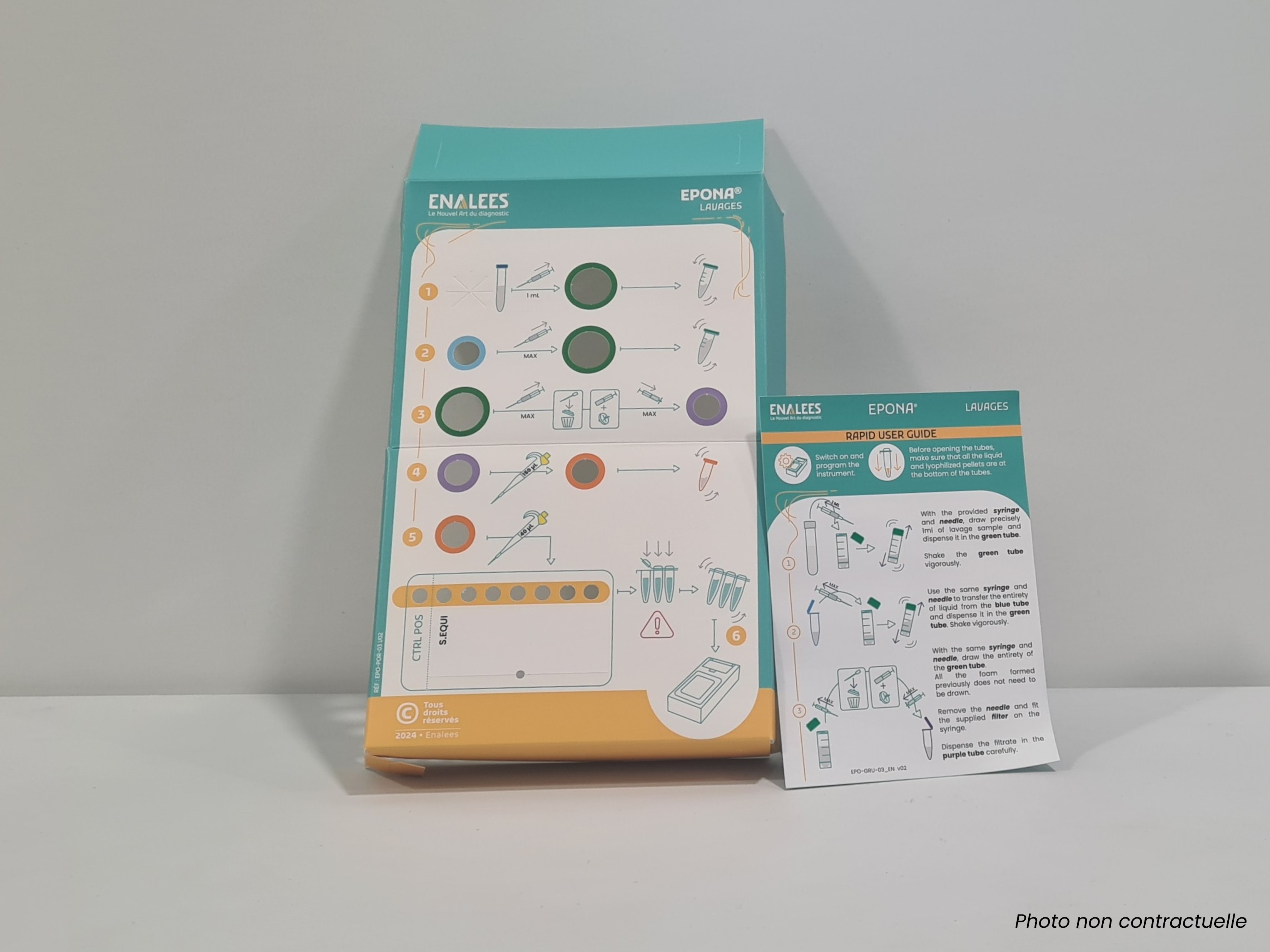


Epona EHV-1, EHV-4, Equine influenza Lavage
Nachweis und Differenzierung von EHV-1, EHV-4 und equinem Influenzavirus in Spülflüssigkeit
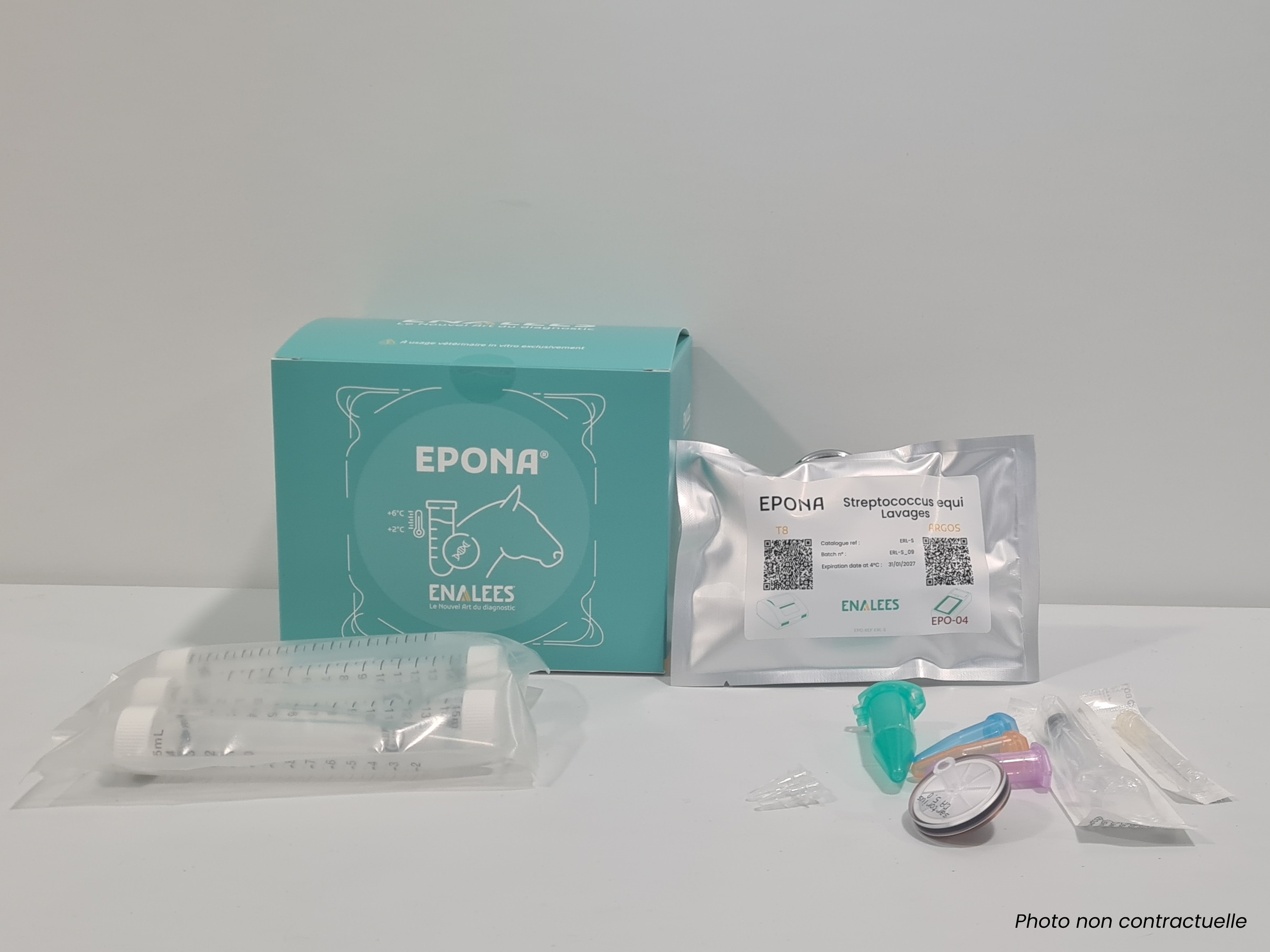
1 Schachtel enthält 5 Testbeutel
Log in to see prices.
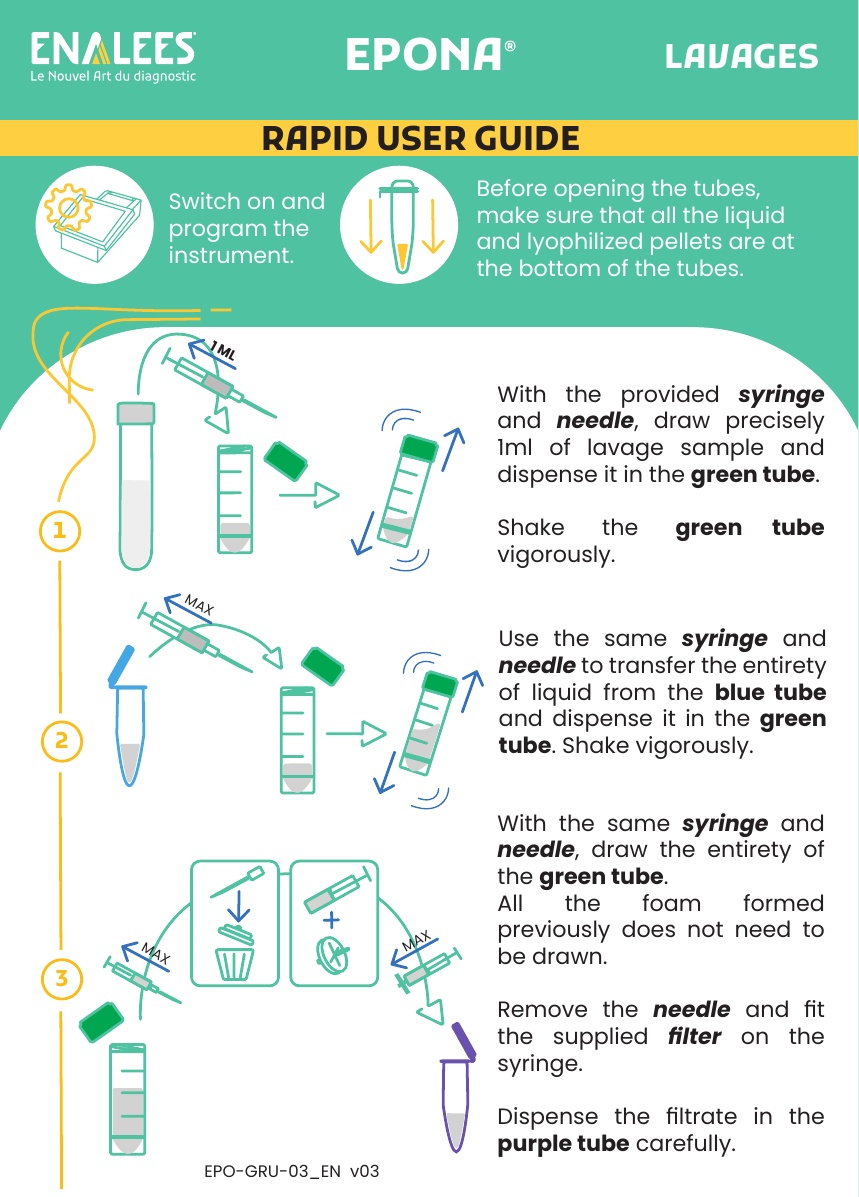
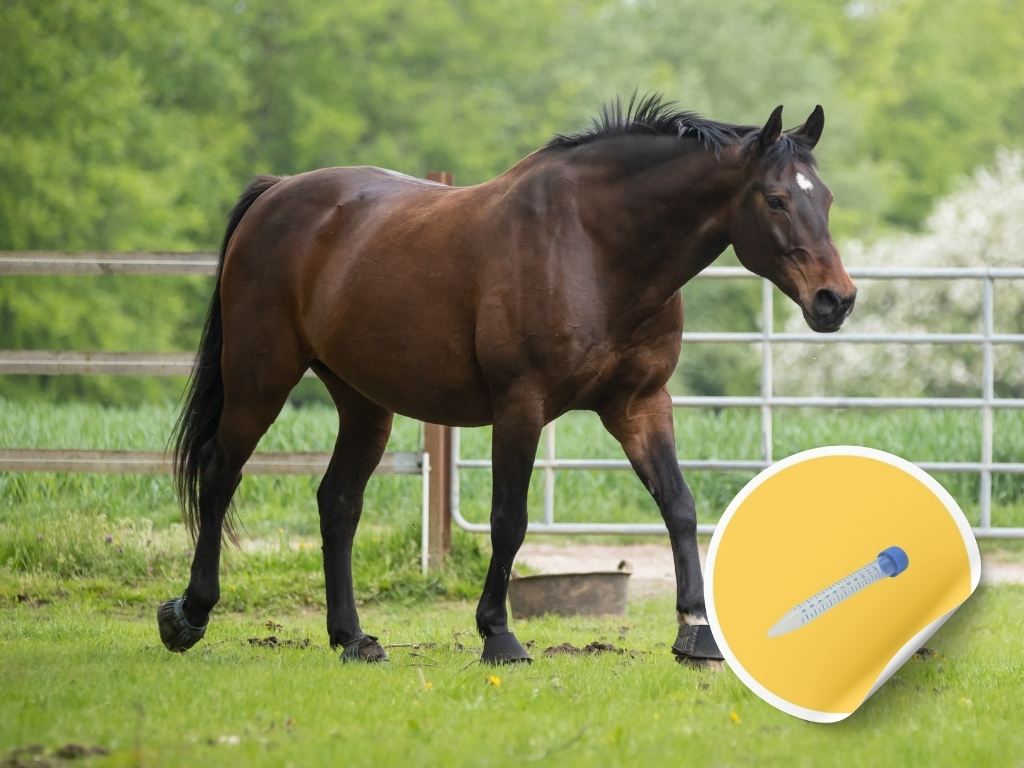
Equine respiratory diseases, grouped under the term acute respiratory syndrome, may cause a complex and non-specific set of clinical signs such as pyrexia, serous nasal discharge or inflammation of the upper respiratory tract. Equine herpesvirus 1 (EHV-1) belongs to the family Herpesviridae and causes equine rhinopneumonitis, together with herpesvirus 4. The disease may occur in a respiratory form (nasal discharge, cough), an abortive form (ataxia, locomotor disorders, fever, incontinence) or a neurological form (paresis, incoordination, paralysis) that may lead to death. The virus may also cause a latent infection, during which the horse shows no clinical signs. As this condition is transmissible between horses, isolation and identification of affected animals are essential to limit its spread within an equine facility. Equine herpesvirus 4 (EHV-4) belongs to the family Herpesviridae and causes equine rhinopneumonitis, together with herpesvirus 1. In infected horses showing clinical signs, disease severity is influenced by age, physical condition, type of infection (primary, secondary or related to reactivation of a latent virus), immune status and strain virulence. Spread between horses is rapid and occurs by nasal inhalation or direct contact. The equine influenza virus belongs to the family Orthomyxoviridae and the genus Influenza type A. The disease has a short incubation period (2 to 5 days) and may affect most of the horses in a stable within a matter of hours. The most common clinical signs are high fever, depression, anorexia, serous nasal discharge and a cough (from occasional to paroxysmal) that may be painful. In adult horses, mortality is very low; when it occurs, it is most often due to secondary bacterial infections. Young foals, however, may die from complications of pneumonia. Epona EHV-1 & 4 Influenza Lavage tests are next-generation molecular tests that detect and differentiate the pathogen in a simple, reliable and rapid way, enabling the affected animal to be isolated and treated before the first clinical signs appear. Unlike conventional PCR reactions, the Epona tests are carried out in just a few steps on a portable, easy-to-use reading system. Results can therefore be obtained in under 40 minutes directly in your clinic.
Tests are intended for in vitro diagnostic use by veterinarians in accordance with the user guides, manuals and technical specifications.


Nachweis und Differenzierung von EHV-1, EHV-2, EHV-4, EHV-5, equinem Influenzavi.
Detection and discrimination of EHV-1, EHV-4, equine influenza virus, and Strept.
Detection and discrimination of Theileria equi, Babesia caballi, Anaplasma phago.

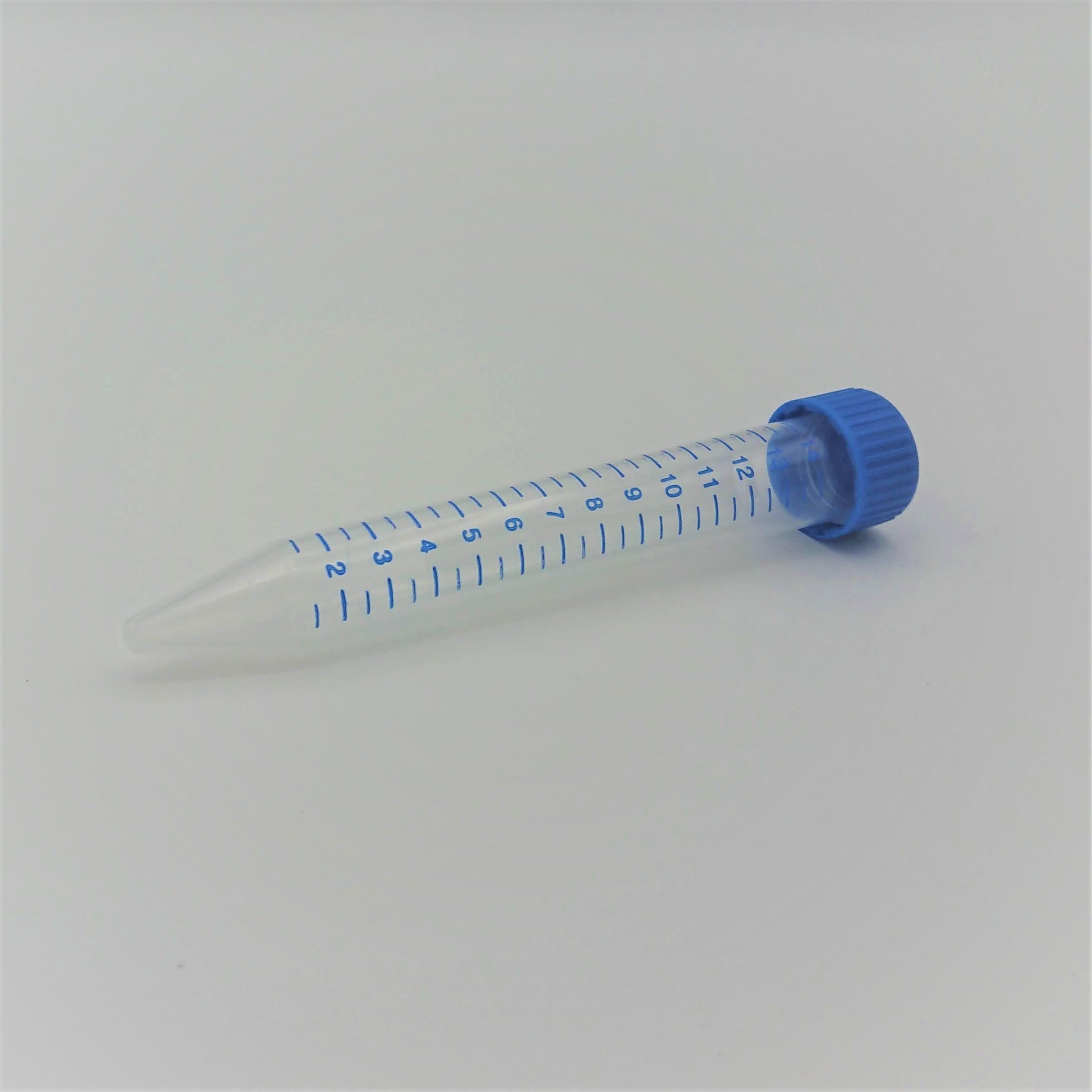
10 tubes for transport of nasopharyngeal swabs and equine lavage
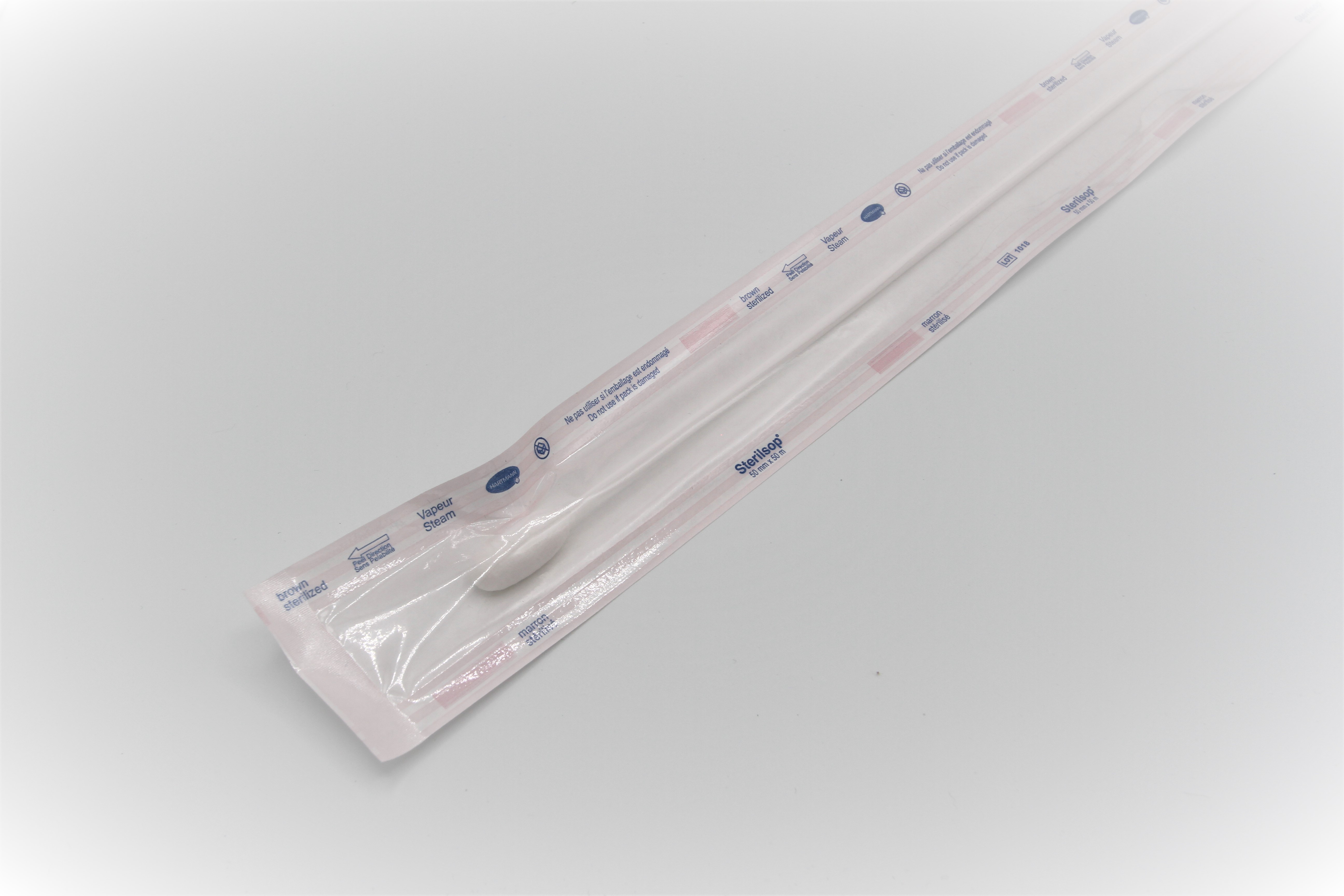
10 individually packaged sterile swabs for equine nasopharyngeal sampling
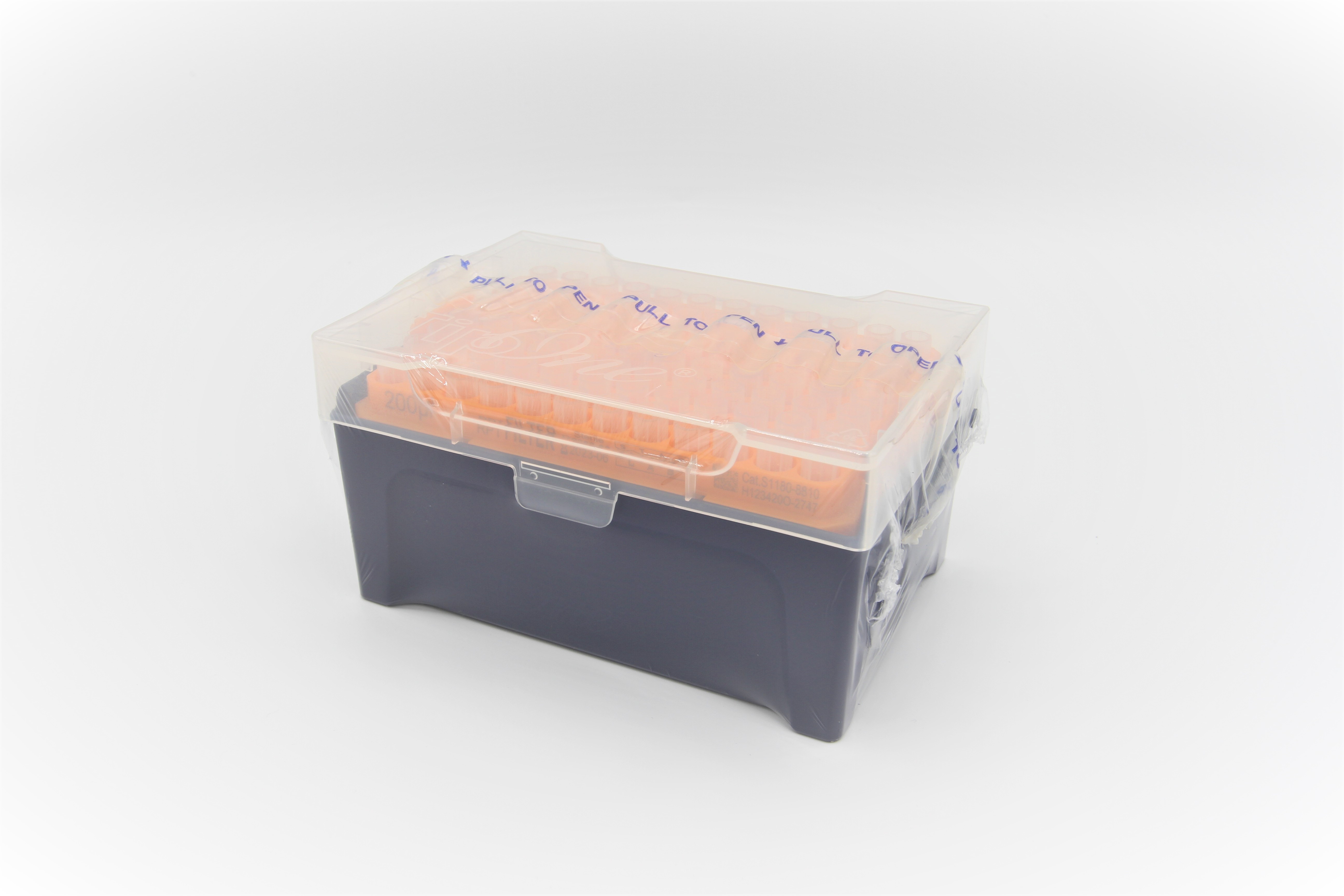
Box of 96 200 µL filter tips required to perform Epona tests

It is very practical to use and has genuinely simplified our day-to-day organisation. Sending results by email, as well ...
Learn More
The easy-to-use kits are quick and easy to handle, whether you're an intern or a referring veterinary professional.Furth...
Learn More
"We first discovered the rapid in-house LAMP PCR solution from Enalees through an introduction by our area representativ...
Learn More
Products made in France, ensuring optimal quality.

Fast delivery within 24 to 72 hours depending on availability

Dedicated technical support for professionals

100% secure online payment.